
NewBee Machinery is a professional machinery parts manufacturer providing high quality precision bearings, high-quality non-standard transmission components, and intelligent CNC equipment and more.
NewBee Machinery is a professional machinery parts manufacturer providing high quality precision bearings, high-quality non-standard transmission components, and intelligent CNC equipment and more.
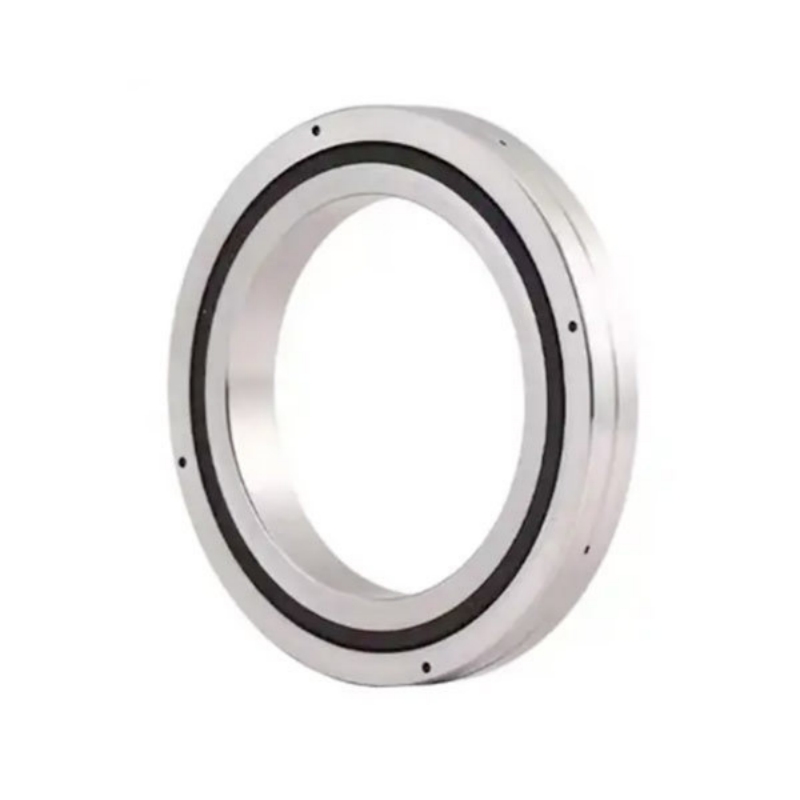
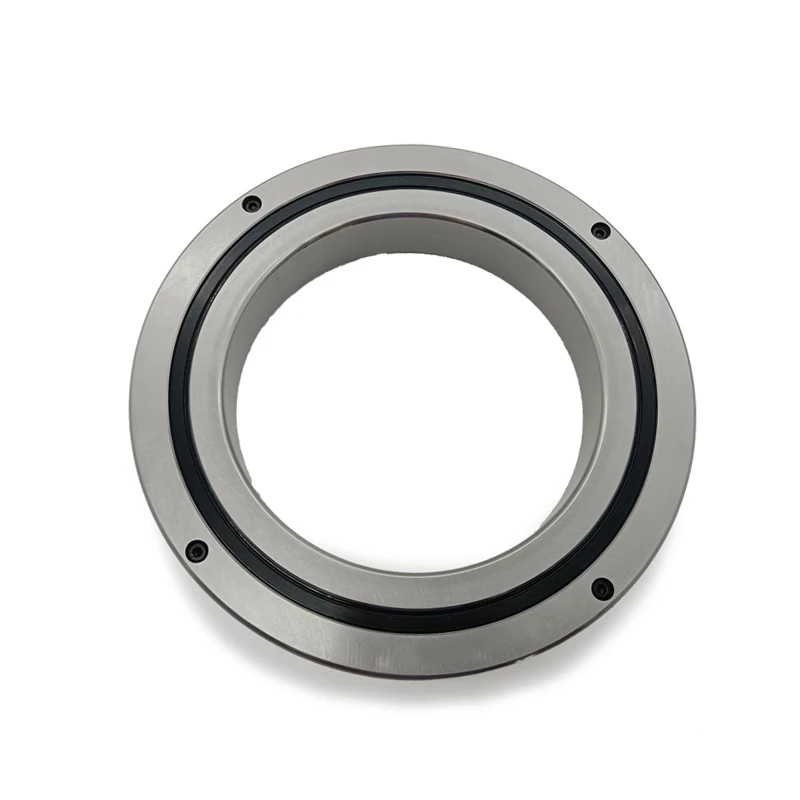
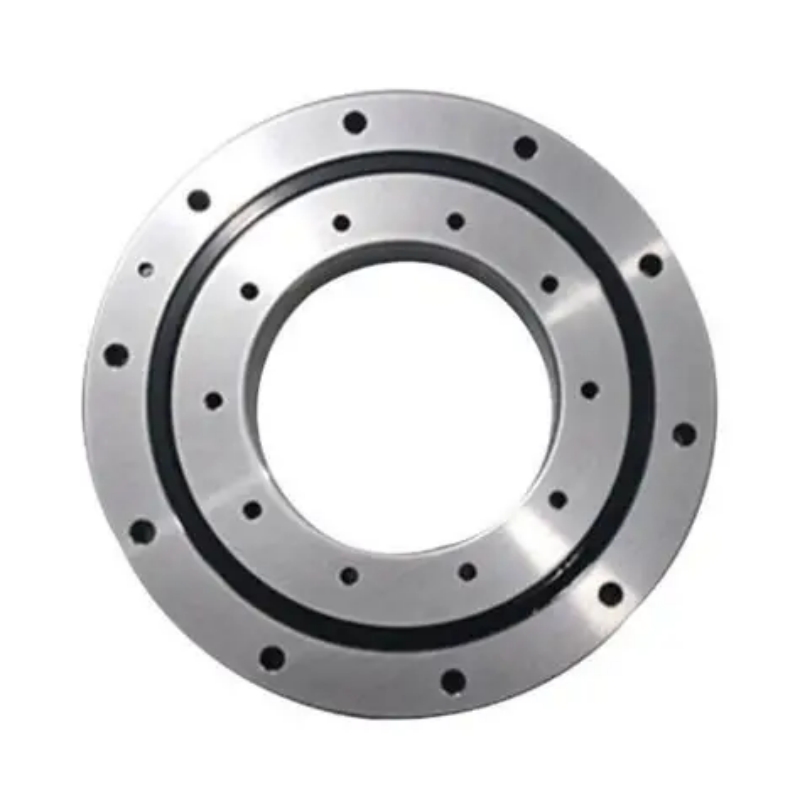
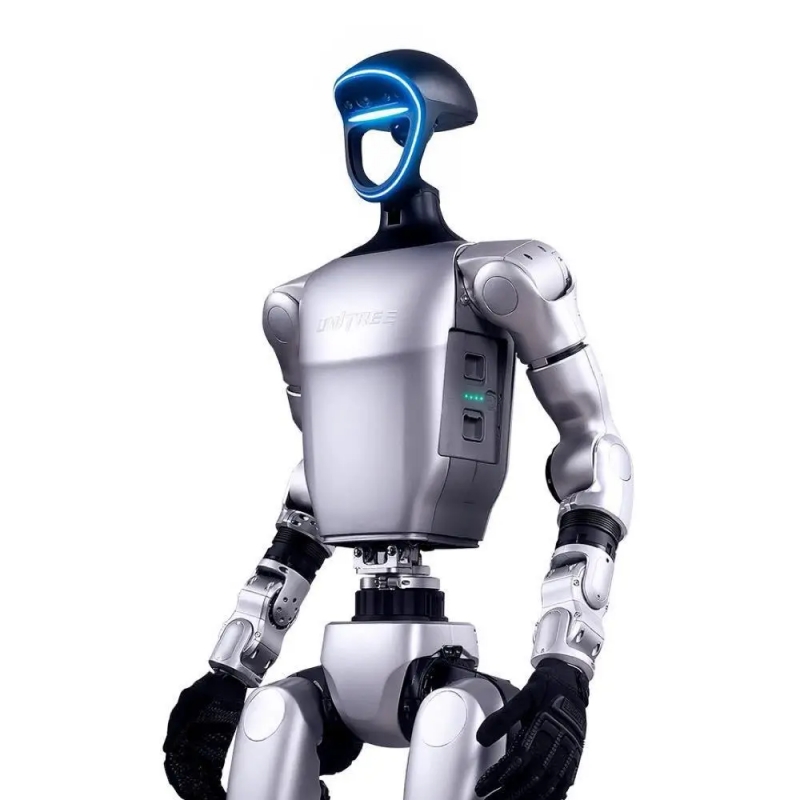
Robot bearings are specialized components designed to reduce friction,support loads,and ensure precise,smooth motion in robotic joints and actuators,particularly in robotic arms (shoulders,elbows,wrists) and grippers.They are crucial for high-precision,repetitive tasks,enabling controlled movement while minimizing energy consumption and wear.Key types include thin-walled bearings,crossed roller bearings,and angular contact bearings
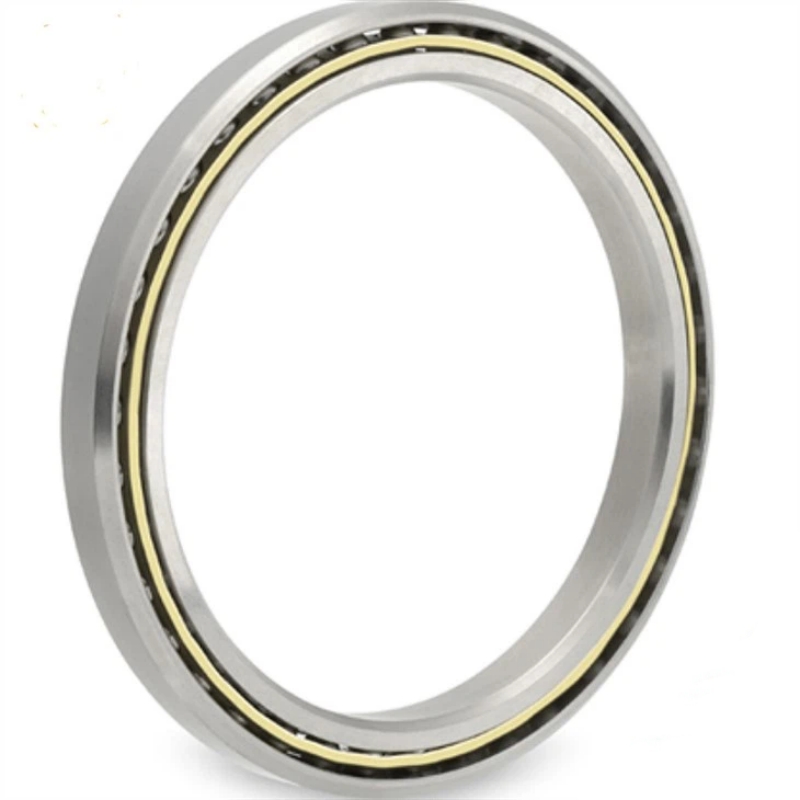
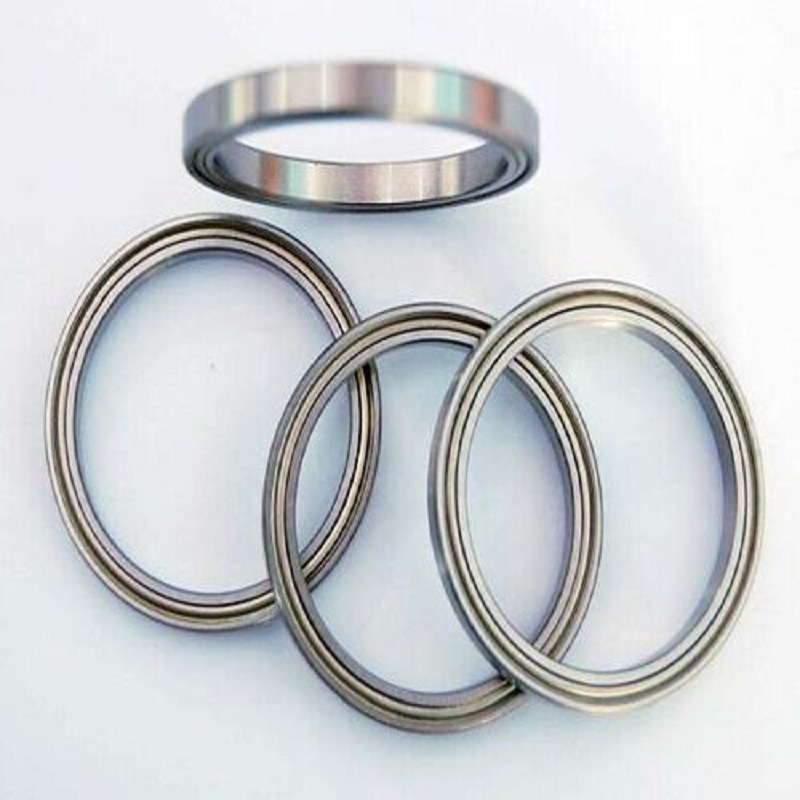
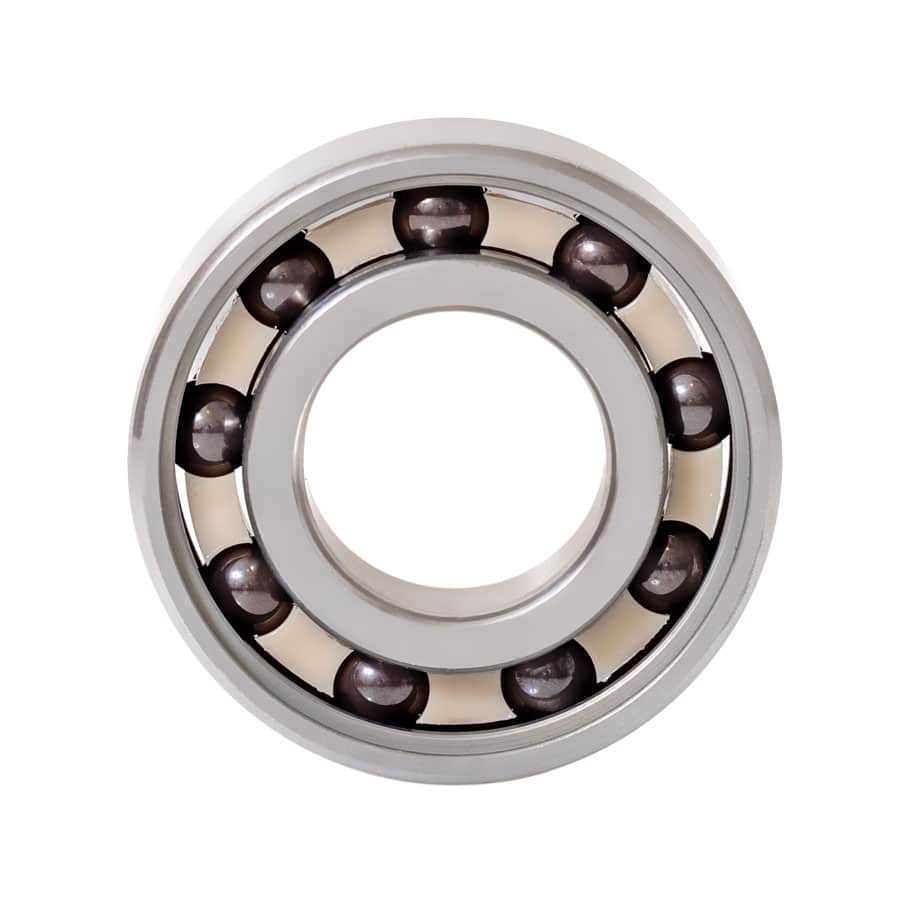
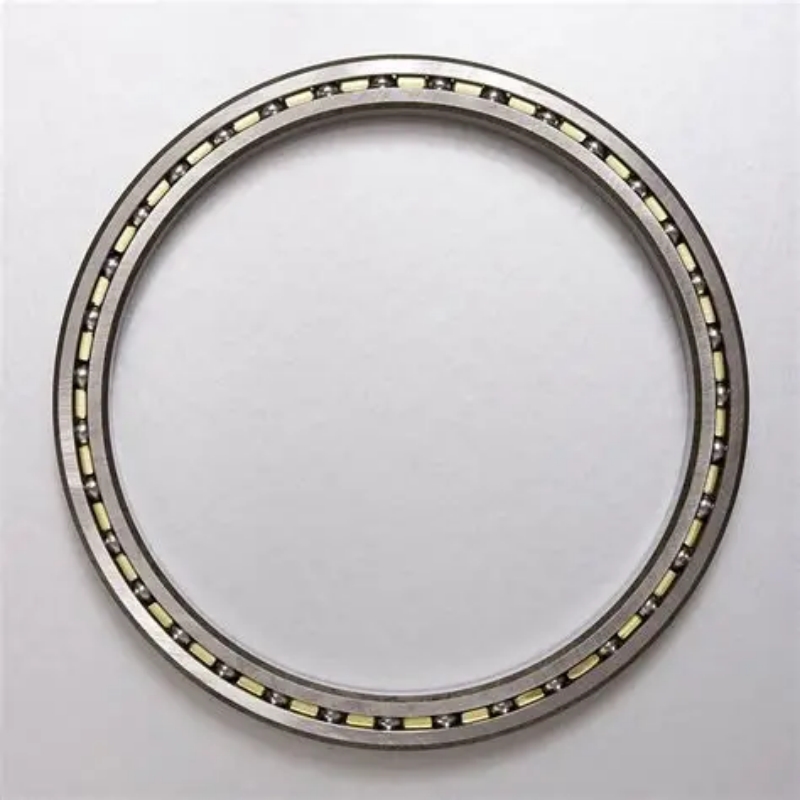
Thin-section bearings from NewBeetrans are the most widely used category in robotic applications.NewBee provides three standardized thin-section bearing series for robot scenarios:Type X four-point contact ball bearings,Type A angular contact ball bearings,and Type C deep groove ball bearings.
NewBee's three robot-specific thin-section bearing series have targeted performance advantages fully compliant with ISO standards.Type X four-point contact bearings can withstand radial,axial and overturning moment loads simultaneously,replacing paired bearing sets to simplify robotic structure design.Type A angular contact ball bearings are engineered to support radial and single-direction axial loads,adapting to high-speed and high-precision scenarios for robotic motion control.Type C deep groove ball bearings feature an extremely small cross-section with a large bore diameter,focusing on reliable radial load support for compact robotic components.All three series offer low friction,low noise,high rigidity and excellent wear resistance,made from high-quality GCr15 bearing steel,stainless steel or ceramic materials to meet diverse robotic working conditions.
NewBee thin-section bearings are widely used in core robotic and automation scenarios specified on the official website.
Type X bearings are mainly installed in the waist and main joints of six-axis industrial robots,bearing complex composite loads in limited space,and are also applied to satellite mechanism robots and radar antenna positioning systems for precise rotation control.

Type A bearings are used in robotic wrist joints and precision end effectors,ensuring high-speed and stable rotation for welding,handling and assembly robots.
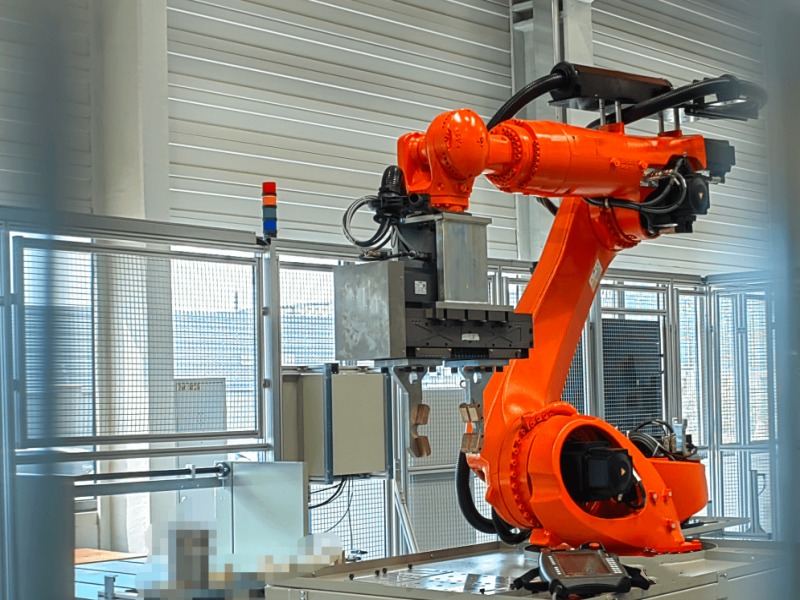
Type C bearings are applied to small articulated joints of collaborative robots,service robot transmission parts and semiconductor wafer handling robots,providing reliable support in ultra-compact cleanroom environments.
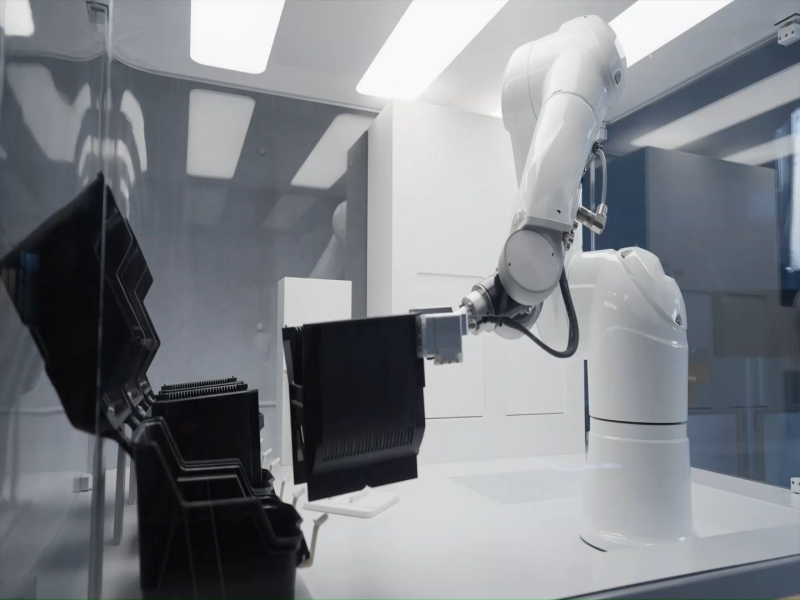
They are also widely used in medical surgical robots and optical navigation robotic systems,delivering nanometer-level positioning accuracy.
The price of NewBee robot thin-section bearings is determined by multiple factors aligned with official specifications.Bearing type and structure:Type X composite load bearings have a slightly higher price than Type A and Type C due to their complex raceway design.Precision grade:ABEC 5/7 high-precision bearings cost 40%-60% more than standard ABEC 1/3 grades.Material selection:Stainless steel and ceramic material bearings have a higher cost than standard GCr15 bearing steel.Customization requirements:Non-standard size,special seals and customized lubrication solutions will increase the unit price,while bulk orders can enjoy significant quantity discounts.
The selection strictly follows the official guidelines for thin-section bearings.First,select the bearing type:choose Type X for robotic joints bearing combined radial,axial and moment loads; choose Type A for high-speed robotic wrist joints and actuators; choose Type C for compact components mainly bearing radial loads.Second,confirm the precision grade:ABEC 5/7 for high-precision medical and semiconductor robots,ABEC 1/3 for general industrial robots.Third,select materials according to the working environment:GCr15 for standard scenarios,stainless steel for corrosive environments.Finally,verify the cross-section size to match the robot's installation space constraints.
NewBeetrans is a professional thin-section bearing manufacturer with 20 years of experience,serving the global robotics industry.We have a professional R&D team of over 30 senior engineers,providing customized design via CAD/CAE simulation,with sample development completed within 15 days.We implement full-process quality control,pass ISO 9001 certification.
Standardized operation and maintenance are critical to maximize bearing service life.Thoroughly clean the bearing,shaft and housing before installation to remove impurities,and use specialized tools for assembly to avoid raceway deformation caused by hammering.Select robot-specific lubricant and control the dosage to avoid overheating from over-lubrication.Monitor bearing temperature,vibration and noise during operation,and shut down for inspection in case of abnormalities.Store bearings in a clean,dry and ventilated environment with humidity ≤60% to prevent rust and precision loss.
For technical specifications,pricing,or custom engineering solutions:
Email:paul@newbeetrans.com
Website:www.newbeetrans.com
 WhatsApp
 sales@newbeetrans.com
 +8615090185276