
NewBee Machinery is a professional machinery parts manufacturer providing high quality precision bearings, high-quality non-standard transmission components, and intelligent CNC equipment and more.
NewBee Machinery is a professional machinery parts manufacturer providing high quality precision bearings, high-quality non-standard transmission components, and intelligent CNC equipment and more.
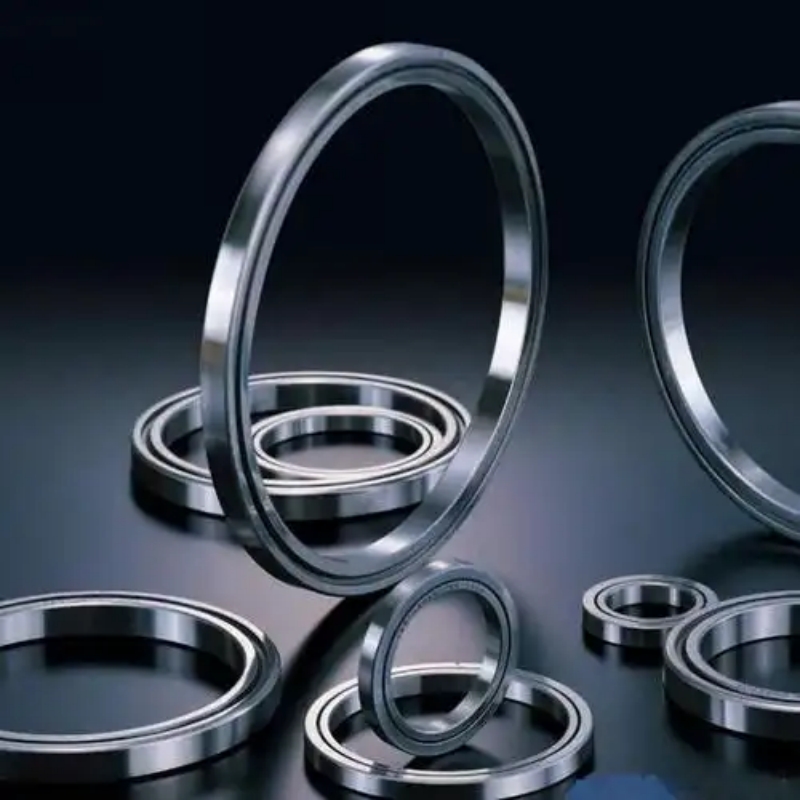
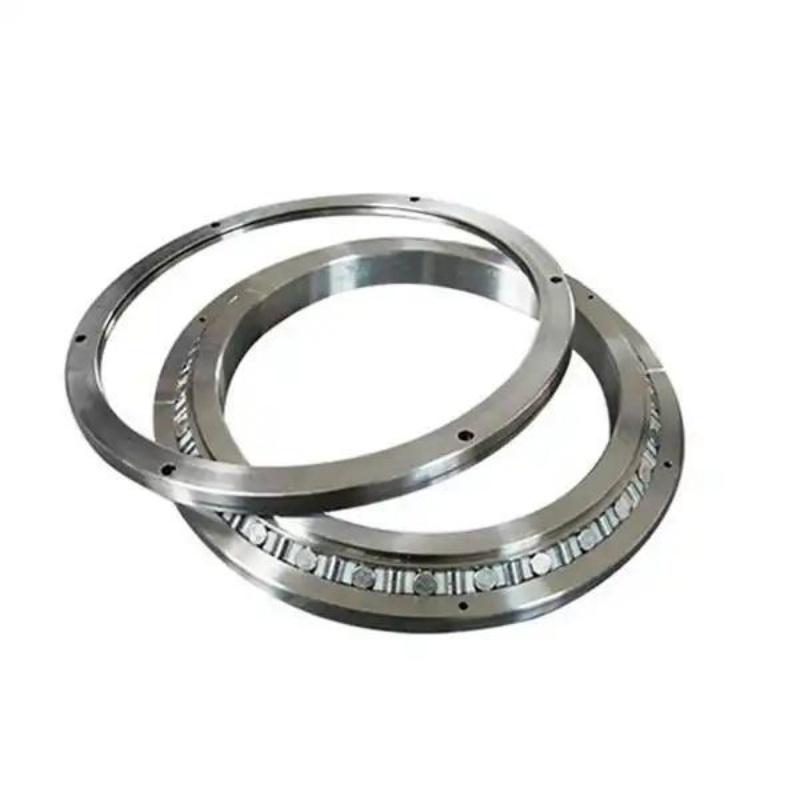
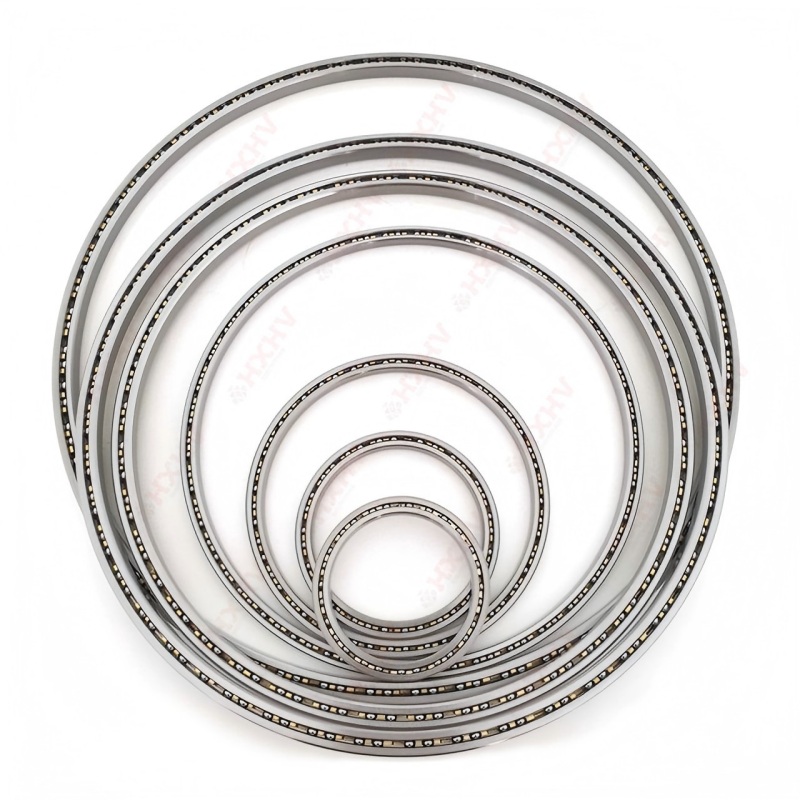
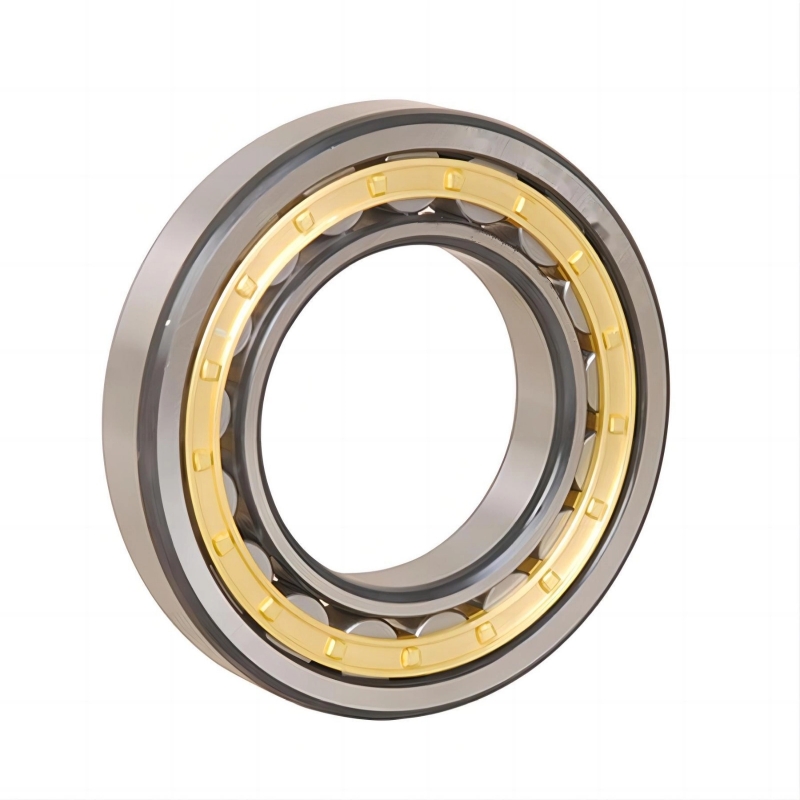
A spindle bearing is a high-precision, specialized ball bearing designed for the central rotating shaft (spindle) in machine tools and other equipment, allowing it to spin at extremely high speeds with exceptional accuracy, rigidity, and smooth movement, supporting heavy radial and axial loads crucial for precision cutting and grinding. They often use angular contact designs and require preloading to maintain stiffness and are essential for achieving tight tolerances in manufacturing.
Ultra-high precision: Adopts precision grades such as P2, P4, and P5, with radial runout and axial runout controlled at micron levels. This ensures the spindle's rotation accuracy, meeting the requirements of precision machining and high-precision motion control.
High rigidity: Optimized structural designs (e.g., angular contact ball bearings with paired installation, cylindrical roller bearings with line contact) and high-quality material selection enhance rigidity. They effectively resist deformation under heavy loads, maintaining stable operation of the spindle.
High-speed adaptability: Advanced cage designs (e.g., brass, phenolic resin) and optimized lubrication systems reduce friction and centrifugal force at high speeds. Grease-lubricated models can reach speeds of 5000–8000 rpm, while oil-lubricated models can exceed 10,000 rpm, adapting to high-speed machining and high-speed rotating equipment needs.
Low friction and long service life: Precision-ground raceways and rollers (surface roughness Ra≤0.02μm) minimize friction losses. High-quality materials such as GCr15 high-carbon chromium steel and SUS440C stainless steel, combined with surface hardening treatment (HRC 60-64), significantly improve fatigue resistance and service life.
Strong environmental adaptability: Multiple sealing options (open type, contact seal, non-contact seal) and specialized lubrication solutions (high-temperature, corrosion-resistant grease) allow adaptation to complex environments such as clean workshops, high-temperature workspaces, and dusty industrial sites.
Machine tool industry: The primary application field, including CNC machining centers, high-speed grinding machines, milling machines, lathes, and 5-axis linkage machine tools. Spindle bearings directly determine the machining accuracy and efficiency of machine tools, such as supporting the spindle of a CNC machining center for high-precision cutting of workpieces.
Automotive manufacturing: Used in automotive engine spindles, gearbox shafts, and electric vehicle drive motors. They withstand high temperatures, high speeds, and frequent load changes, ensuring stable operation of automotive power systems.
Aerospace industry: Applied in aeroengine spindles, satellite attitude adjustment mechanisms, and UAV rotor systems. They meet the strict requirements of lightweight, high reliability, and extreme environmental resistance in aerospace equipment.
Semiconductor equipment: Used in wafer processing machines, lithography machines, and semiconductor testing equipment. Their ultra-high precision and low vibration ensure the accuracy of microfabrication and testing processes.
Wind energy and new energy: Applied in wind turbine main shafts, photovoltaic tracking system rotors, and energy storage equipment spindles. They adapt to outdoor harsh environments and long-term continuous operation, providing reliable support for renewable energy equipment.
General machinery: Used in high-speed motors, precision reducers, compressors, and pumps. They improve the operation stability and efficiency of general mechanical equipment.
Precision grade: Higher precision grades correspond to higher prices. P2 ultra-precision spindle bearings are significantly more expensive than P5 or P6 precision models due to stricter manufacturing and inspection processes.
Material quality: Bearings made of high-performance materials (e.g., GCr15SiMn alloy steel, ceramic rollers, SUS440C corrosion-resistant steel) are more costly than those made of ordinary GCr15 steel, as they offer better performance in wear resistance, corrosion resistance, and high-temperature resistance.
Size and structure: Large-size spindle bearings (inner diameter > 300 mm) require more raw materials and complex processing, leading to higher prices. Additionally, complex structures such as double-row angular contact ball bearings or combined spindle bearings are more expensive than single-row models due to their sophisticated design and manufacturing.
Customization requirements: Non-standard customization (e.g., special size, unique contact angle, customized sealing/lubrication solutions) increases design and production costs, resulting in higher prices compared to standard models. - Brand and quality certification: Well-known international brands (e.g., SKF, NSK, FAG) or domestic high-quality brands with strict quality control and international certifications (e.g., ISO, CE) often have higher prices due to their brand reputation and reliable quality.
Order quantity: Bulk orders typically enjoy quantity discounts, while small-batch or urgent orders may incur additional production and logistics costs, increasing the unit price.
Operating conditions matching: Clarify key parameters such as the spindle’s operating speed, radial/axial load, working temperature, and environmental conditions (e.g., dust, humidity). Select the appropriate bearing type (angular contact ball bearing, cylindrical roller bearing, or tapered roller bearing) and specifications accordingly.
Precision requirement confirmation: Determine the required precision grade based on the equipment’s application scenarios. For example, precision machining centers require P4 or P2 grade spindle bearings, while general mechanical equipment can use P5 or P6 grade bearings to balance performance and cost.
Material and lubrication selection: Choose bearing materials based on the working environment (e.g., SUS440C for corrosive environments, high-temperature alloy steel for high-temperature conditions). Select the appropriate lubrication method (grease or oil lubrication) and lubricant type to ensure long-term stable operation.
Structural and installation compatibility: Consider the spindle’s installation space, fit tolerance (shaft h7/housing H8), and installation method (paired installation for single-row bearings, direct installation for double-row bearings). Ensure the bearing matches the spindle system’s design.
Supplier qualification assessment: Prioritize suppliers with professional production capacity, complete quality certification, and rich industry experience. Verify their product testing reports, after-sales service capabilities, and delivery cycle to avoid quality risks and supply delays.
Cost-effectiveness balance: While pursuing performance, consider the total cost of ownership (purchase cost, maintenance cost, service life). Domestic high-quality brands (e.g., NEWBEE Transmission) often offer higher cost-effectiveness than imported brands, with comparable technical indicators and more flexible customization services.
NEWBEE Transmission (Luoyang New Bee Transmission Co., Ltd.) is a trusted supplier of high-quality spindle bearings, focusing on providing precision, reliable, and cost-effective spindle bearing solutions for global customers. With strong technical strength and strict quality control, the company has become a preferred partner in the machine tool, automotive, aerospace, and new energy industries.
Comprehensive product range: Covers various types of spindle bearings, including angular contact ball bearings (single-row/double-row), cylindrical roller bearings, and combined spindle bearings. Precision grades range from P0 to P2, with inner diameters from 10 mm to 800 mm, meeting the needs of different equipment and scenarios.
Advanced manufacturing capabilities: Adopts international advanced machining and grinding equipment, combined with strict quality inspection processes (e.g., laser measurement, dynamic balance testing) to ensure each bearing meets high-precision and high-rigidity requirements. Products are fully compatible with international standards and can directly replace imported brands such as SKF, NSK, and FAG.
Customization service advantages: Offers personalized customization solutions based on customer-specific needs, including non-standard size design, special contact angle adjustment, customized sealing/lubrication systems, and corrosion-resistant/high-temperature modifications. Provides one-stop technical support from design to delivery.
Reliable quality assurance: All products undergo strict fatigue life testing, high-speed performance testing, and environmental adaptability testing. The company provides a 1-year warranty period and comprehensive after-sales service, including installation guidance, maintenance advice, and rapid replacement of defective products.
Import substitution cost-effectiveness: With independent research and development capabilities and localized production, NEWBEE Transmission’s spindle bearings offer a 30%-50% cost advantage compared to imported products while maintaining equivalent or higher performance. This helps customers reduce procurement costs without compromising equipment quality.
Standardized installation: Ensure the installation surface is clean, flat, and free of burrs. Use professional tools for installation to avoid bearing damage caused by improper force. Control the fit tolerance strictly to prevent excessive interference or clearance, which may affect rotation accuracy and rigidity.
Scientific lubrication and maintenance: Add the appropriate type and amount of lubricant before use. Regularly inspect the lubricant’s condition (e.g., contamination, oxidation) and replace it periodically according to the operating hours and environment. For high-speed or heavy-load conditions, adopt oil circulation lubrication to ensure sufficient lubrication and heat dissipation.
Real-time operation monitoring: Monitor the bearing’s operating temperature, vibration, and noise during use. Abnormal phenomena such as excessive temperature rise (exceeding 80°C), abnormal vibration, or harsh noise may indicate issues such as insufficient lubrication, bearing damage, or misalignment. Stop the machine immediately for inspection and troubleshooting to avoid further damage.
Proper storage and handling: Store spindle bearings in a clean, dry, and ventilated environment, avoiding moisture, dust, and direct sunlight. Place them horizontally to prevent deformation. During transportation and handling, avoid collision and impact to protect the raceways and rollers.
Avoid overload and extreme conditions: Operate the spindle within the bearing’s rated load and speed range. Avoid sudden start-stop, overload, or operation in extreme temperatures (exceeding -40°C or +150°C) for extended periods, as these may shorten the bearing’s service life or cause sudden failures.
Regular inspection and replacement: Conduct regular comprehensive inspections of spindle bearings (e.g., annual disassembly inspection for long-term operating equipment). Replace bearings that show signs of wear, fatigue, or precision degradation to ensure the safe and stable operation of the equipment.


 WhatsApp
 sales@newbeetrans.com
 +8615090185276