
NewBee Machinery is a professional machinery parts manufacturer providing high quality precision bearings, high-quality non-standard transmission components, and intelligent CNC equipment and more.
NewBee Machinery is a professional machinery parts manufacturer providing high quality precision bearings, high-quality non-standard transmission components, and intelligent CNC equipment and more.
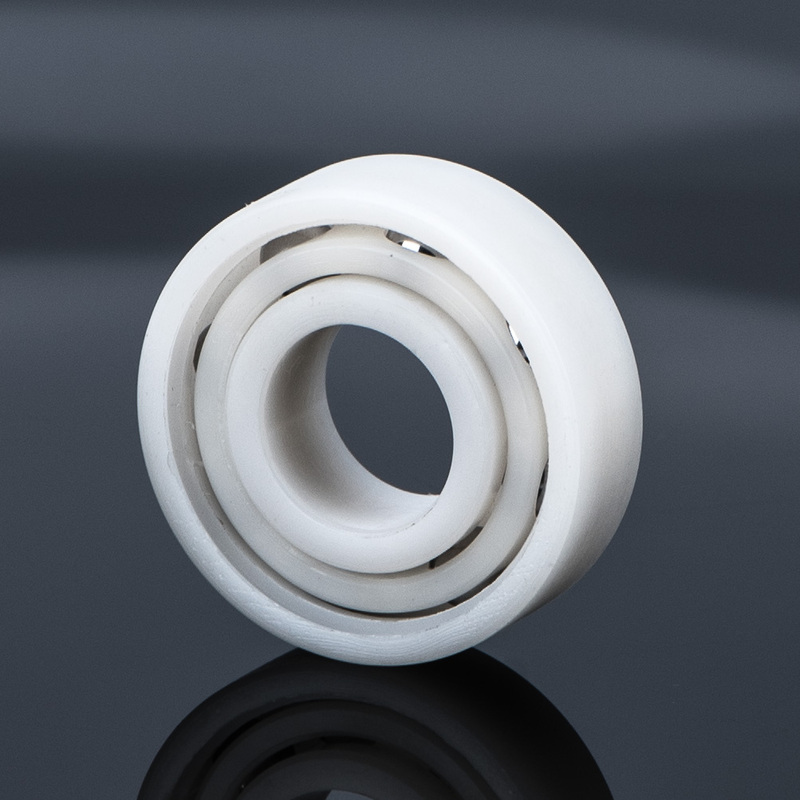
Ceramic bearings are high-performance bearings featuring silicon nitride (Si₃N₄) or zirconium dioxide (ZrO₂) balls, often paired with steel or ceramic races. They are known for being lighter, harder, smoother, and more heat-resistant than steel bearings, resulting in reduced friction, higher speed capabilities, and longer, low-maintenance lifespans.
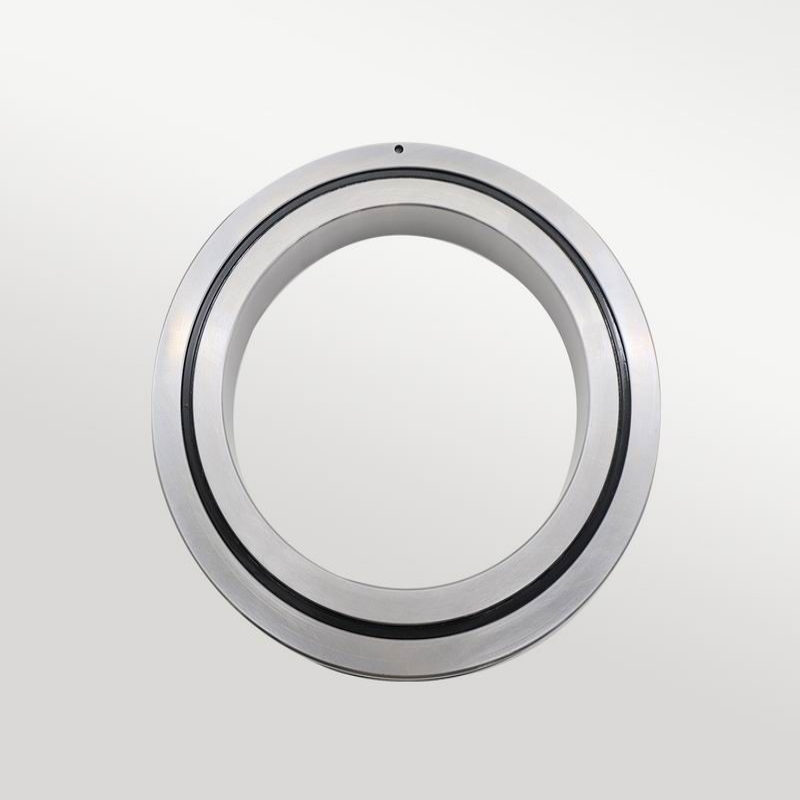
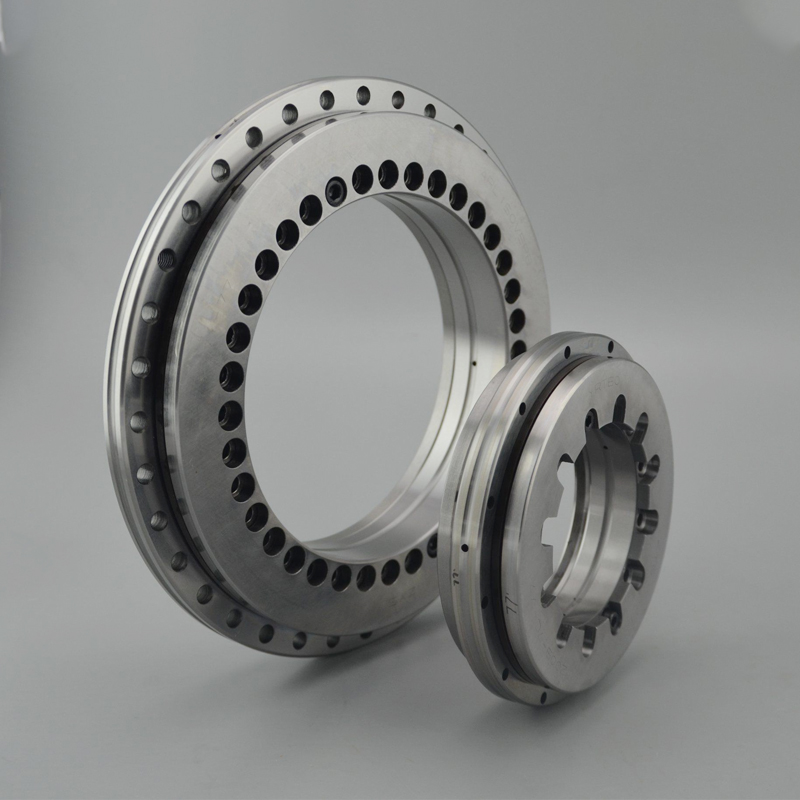
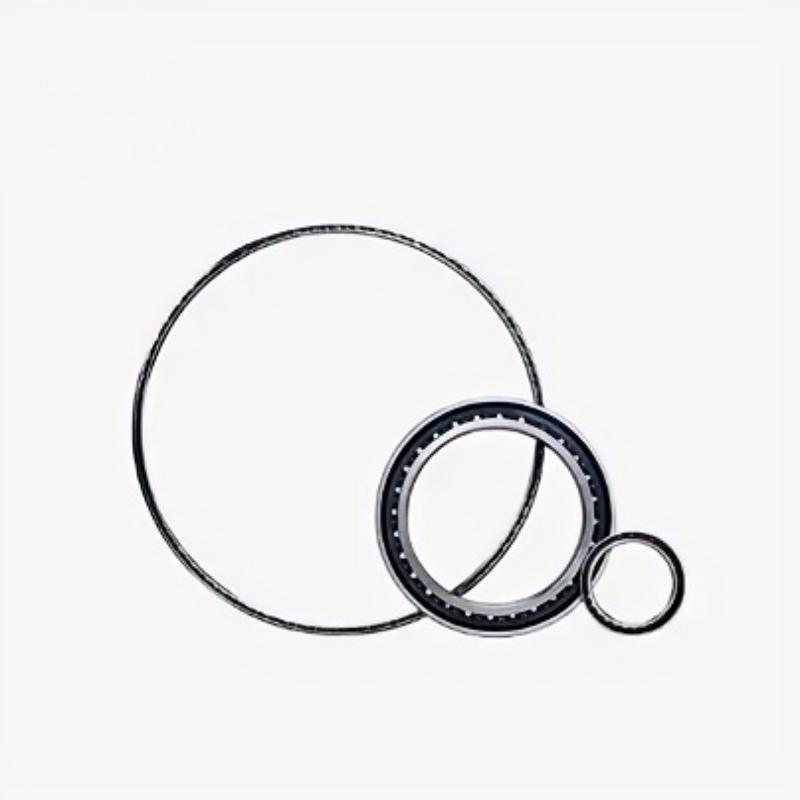
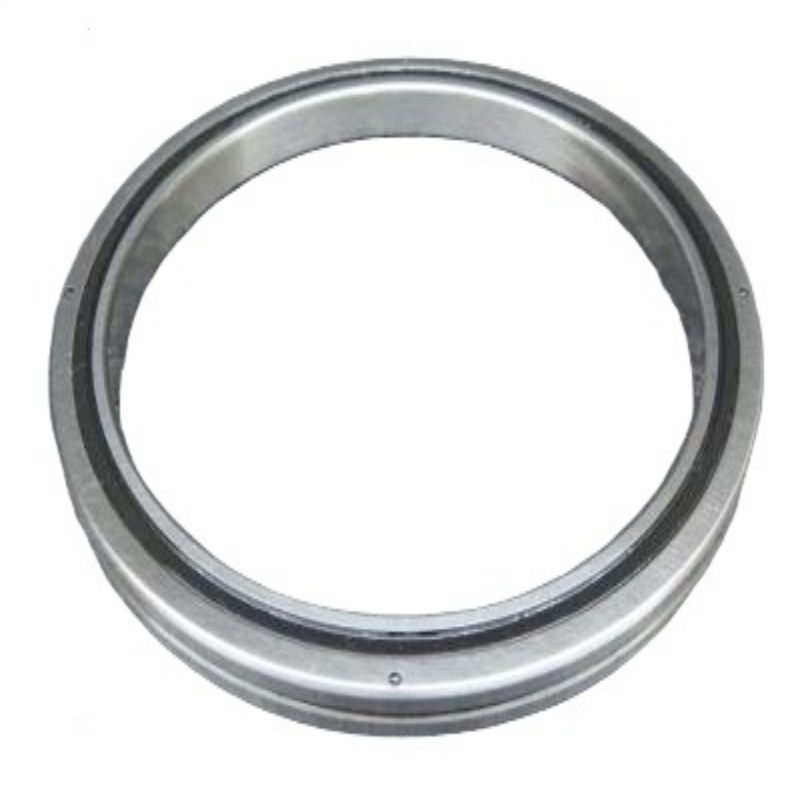
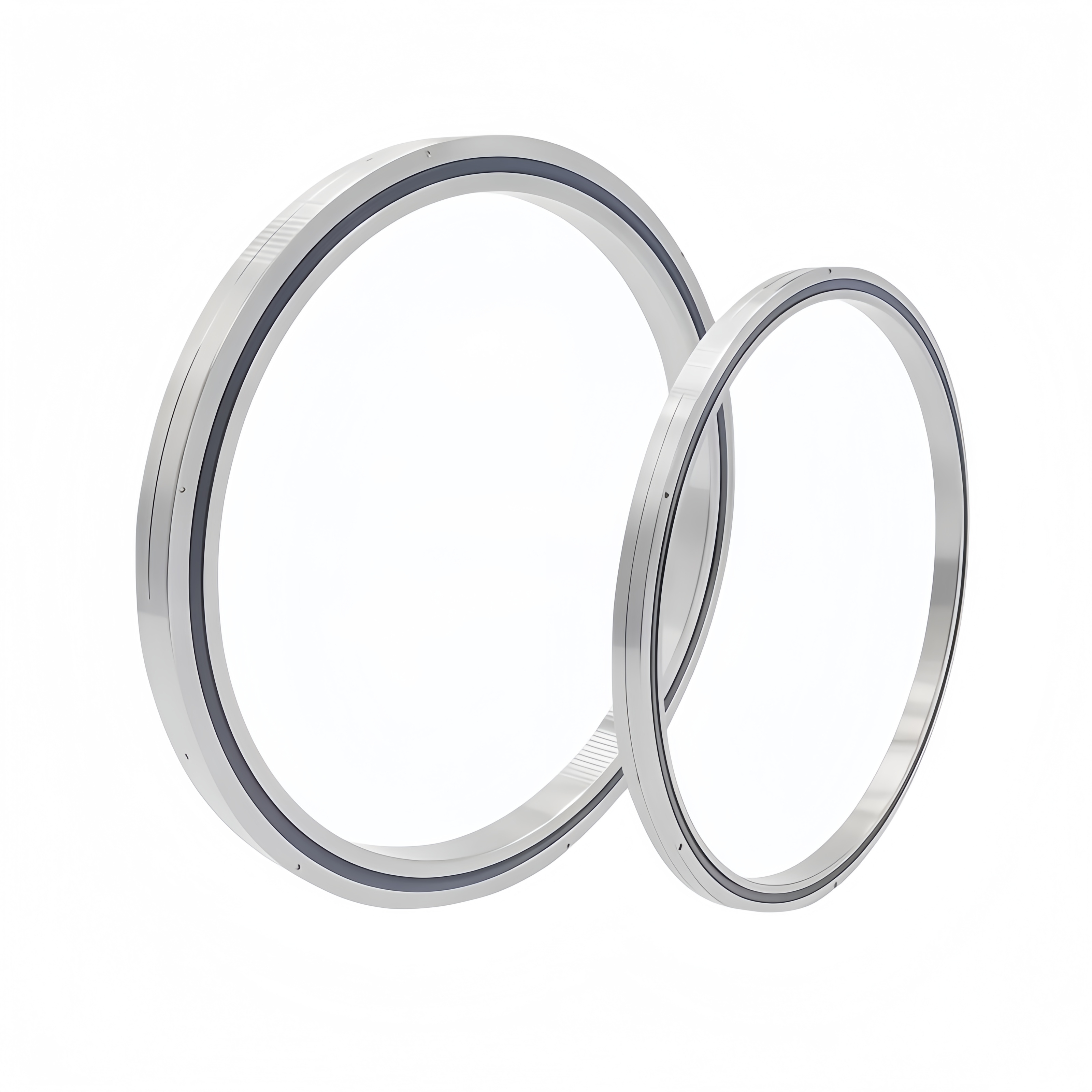
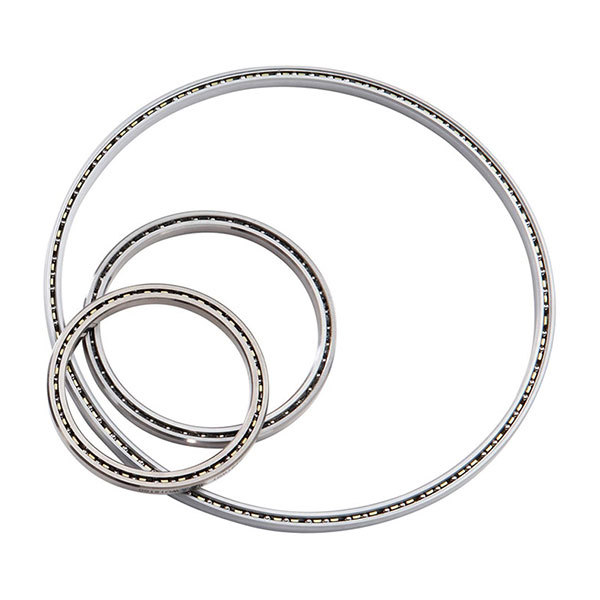
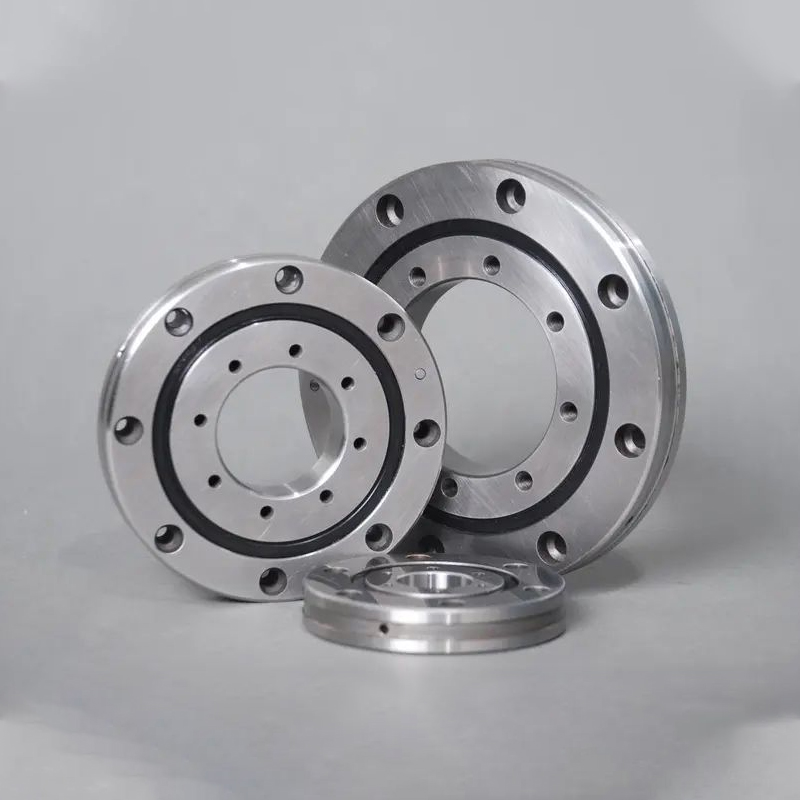
As a professional precision bearing manufacturer with 20 years of experience, NewBeetrans integrates high-performance ceramic materials into crossed roller bearings, thin-section bearings and CNC machine tool bearings, providing targeted ceramic bearing solutions that significantly boost load capacity, service life and stability for high-end equipment.
Ceramic bearings that enhance bearing performance are precision bearings that use high-performance ceramic materials for rolling elements or full bearing structures, replacing traditional bearing steel parts.Unlike standard metal bearings, they feature low density, high hardness, corrosion resistance and low friction coefficient. NewBeetrans offers two main categories:hybrid ceramic bearings (metal rings with ceramic rolling elements) and full ceramic bearings (ceramic rings and rolling elements). Common ceramic materials include silicon nitride (Si₃N₄), zirconia (ZrO₂) and silicon carbide (SiC), each tailored to specific performance improvement goals. These ceramic bearings are widely used in NewBee's precision bearings for semiconductors, aerospace, CNC machine tools and satellite communications, solving pain points of traditional metal bearings in harsh working conditions.
Three mainstream ceramic bearings from NewBeetrans are proven to significantly enhance bearing performance, matching different industrial working conditions.
Silicon Nitride (Si₃N₄) Hybrid Ceramic Bearings:The most widely used type, with Si₃N₄ ceramic rolling elements and GCr15 bearing steel rings. It reduces weight by 40% compared to metal bearings, increases limiting speed by 30%-50%, and lowers friction heat generation—ideal for high-speed CNC spindles and precision rotating platforms.
Zirconia (ZrO₂) Full Ceramic Bearings:Made of integral ZrO₂ ceramic, with excellent corrosion resistance and insulation. It adapts to humid, corrosive environments such as medical equipment and food machinery, avoiding rust and electrical erosion that cause performance degradation.
Silicon Carbide (SiC) High-Temperature Ceramic Bearings:With exceptional high-temperature resistance, they maintain stable performance up to 800℃, suitable for high-temperature working conditions such as metallurgical equipment and automotive engines, preventing performance loss from thermal deformation.
High-quality ceramic bearings fundamentally optimize bearing operational performance, with remarkable effects verified in NewBee's application cases. Ceramic materials reduce friction and heat generation, preventing overheating and seizure while extending service life by 2-5 times compared to standard bearings. Si₃N₄ hybrid ceramic bearings improve rotational accuracy, meeting the nanometer-level precision requirements of NewBee's YRT and crossed roller bearings in semiconductor wafer handling. Ceramic bearings also resist corrosion and wear, reducing maintenance frequency in harsh environments-proven in NewBee's energy-saving solutions for steel plants. However, mismatched ceramic bearing types will fail to deliver performance gains:using ZrO₂ bearings in high-speed scenarios limits rotational speed, while using Si₃N₄ bearings in strong corrosion environments accelerates damage.
Selection follows working condition matching, based on speed, temperature, corrosion and load requirements. For high-speed precision equipment (CNC spindles, robot joints), choose Si₃N₄ hybrid ceramic bearings to balance speed and rigidity. For corrosive, insulating scenarios (medical, food equipment), select ZrO₂ full ceramic bearings. For ultra-high-temperature environments (metallurgy, engines), use SiC high-temperature ceramic bearings. NewBee's technical team provides customized selection, combining ceramic bearings with crossed roller and thin-section bearing structures to ensure performance meets ISO standards. For aerospace and satellite communication applications, NewBee uses specialized testing to verify ceramic bearing stability.
Improper selection negates performance improvements and causes premature failure. Using low-speed ceramic bearings in high-speed equipment leads to excessive heat, vibration and reduced precision. Choosing corrosion-susceptible ceramic materials in harsh environments causes rapid wear and shortened life. Mismatched size and precision parameters lead to assembly interference, damaging ceramic rolling elements (brittle and prone to cracking under improper fit). For heavy machinery like mining equipment, wrong ceramic bearings may trigger sudden breakdowns. NewBee provides onsite technical support, including selection guidance and installation testing, to avoid these risks for global customers.
For technical specifications,pricing,or custom engineering solutions:
Email:paul@newbeetrans.com
Website:www.newbeetrans.com.
 WhatsApp
 sales@newbeetrans.com
 +8615090185276