
NewBee Machinery is a professional machinery parts manufacturer providing high quality precision bearings, high-quality non-standard transmission components, and intelligent CNC equipment and more.
NewBee Machinery is a professional machinery parts manufacturer providing high quality precision bearings, high-quality non-standard transmission components, and intelligent CNC equipment and more.
Bearings are fundamental components in mechanical equipment. They may not be visible during normal machine operation,but their performance directly affects rotational accuracy,friction,noise,vibration,energy consumption,and equipment service life.From electric motors and automotive transmissions to CNC machine tools,industrial gearboxes,rolling mills,robots,pumps,compressors,wind turbines,and precision equipment,bearings provide controlled movement and support loads between moving components.
A bearing is a mechanical component designed to support and guide relative movement between machine parts while controlling friction and transmitting loads. In a rolling bearing,balls or rollers are positioned between precision-machined raceways so that rolling contact replaces most of the direct sliding contact between the moving components.However,choosing a bearing is not simply a matter of matching the bore and outside diameter. A reliable bearing solution must consider load direction,load magnitude,rotational speed,operating temperature,accuracy,stiffness,internal clearance,lubrication,sealing,mounting conditions,contamination,and expected service life.This guide explains what is a bearing,how does a bearing work,the major types of bearings,essential bearing components,common bearing applications,and the key factors engineers should consider when deciding how to choose a bearing.What Is a Bearing?
A bearing is a machine element that allows controlled relative movement between two components while supporting the forces acting on them.In a typical rotating application,one bearing ring is associated with the shaft and the other with the housing. The bearing maintains the relative position of these components while allowing the shaft to rotate with controlled friction.Rolling bearings achieve this through rolling elements. Depending on the design,these elements may be balls,cylindrical rollers,tapered rollers,spherical rollers,or needle rollers.The fundamental purpose is not simply to make something “turn more easily.” A properly designed bearing must simultaneously perform several functions:
Support radial or axial loads
Guide the rotating shaft or moving component
Control friction and heat generation
Maintain the required rotational accuracy
Control relative movement between components
Accommodate specific operating conditions
Contribute to the service life and reliability of the machine
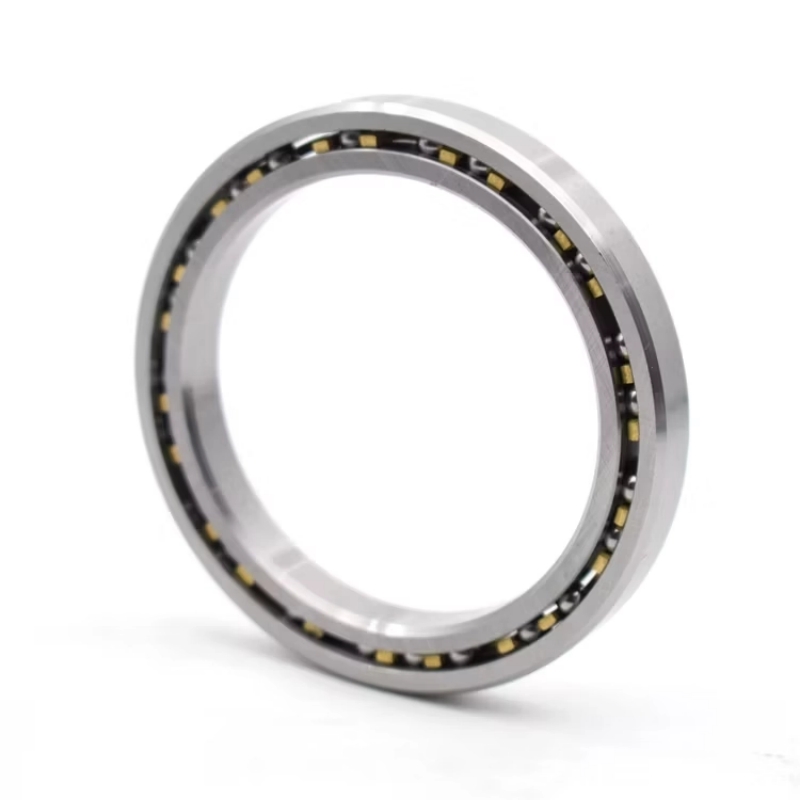
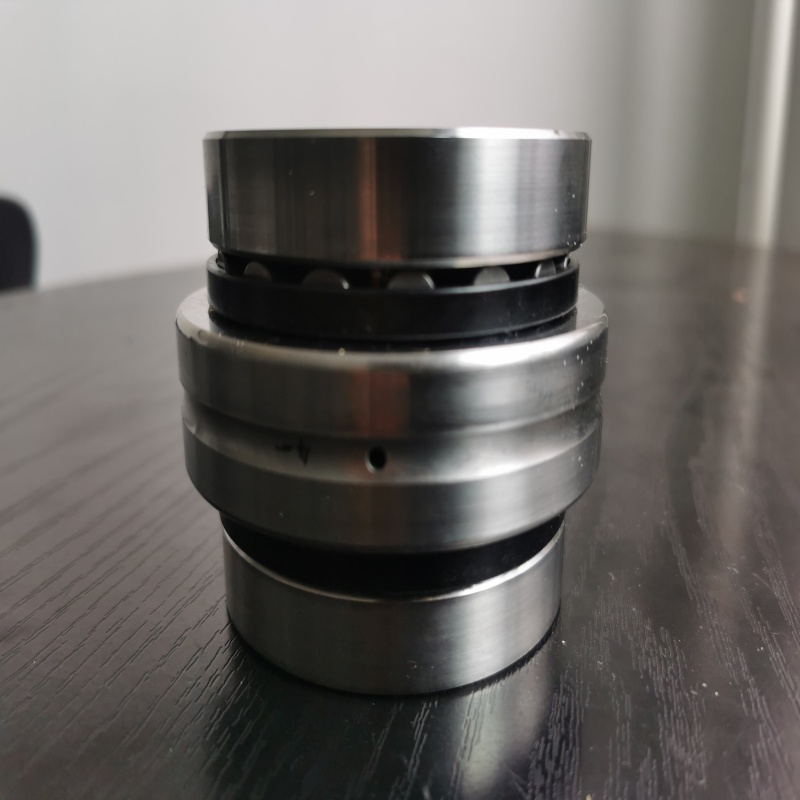
Rolling bearings generally consist of raceway rings,rolling elements,and a cage. Depending on the design,shields or seals may also be incorporated.This is why the bearing should be considered as part of the complete machine system rather than as an isolated replacement component.How Does a Bearing Work?
The basic principle is to introduce rolling elements between two surfaces that need to move relative to one another.Consider a conventional deep groove ball bearing. The inner ring is normally mounted on the shaft,while the outer ring is fitted into the housing. A set of balls runs along the raceways between the two rings.As the shaft rotates,the inner ring drives the rolling elements around the bearing. The balls roll against the raceways,allowing the inner and outer rings to move relative to each other with relatively low resistance.The load is transmitted through the contact between the raceways and rolling elements:
Shaft → Inner Ring → Rolling Elements → Outer Ring → Housing
The exact load distribution depends on the bearing geometry,internal clearance or preload,load direction,speed,mounting condition,and other factors.Rolling Contact vs. Sliding Contact
The main advantage of a rolling bearing is that rolling contact can substantially reduce friction compared with direct sliding contact.In a plain or sleeve bearing,two surfaces move against each other through sliding contact. In a rolling bearing,balls or rollers separate the primary raceway surfaces. This fundamental difference allows rolling bearings to achieve low friction while supporting significant loads.However,“low friction” does not mean “zero friction.” Bearings still generate friction through rolling contact,sliding within the contact zone,cage movement,lubricant shear,seals,and other mechanisms.For this reason,bearing design involves balancing load capacity,speed capability,friction,rigidity,temperature,and service life.Bearing Components
Understanding the main bearing components is essential for bearing selection and maintenance.
Inner Ring
The inner ring is the ring located around the shaft in most radial bearing arrangements.It contains the inner raceway and provides the rolling surface for the balls or rollers. The relationship between the inner ring bore and shaft diameter is particularly important because the fit affects bearing clearance,load distribution,and operating performance.
Outer Ring
The outer ring surrounds the rolling elements and normally interfaces with the machine housing.Its raceway forms the external rolling contact surface. In many applications,the outer ring remains stationary while the inner ring rotates with the shaft.
Rolling Elements
Rolling elements transfer load between the inner and outer raceways.
Common designs include:
Balls
Cylindrical rollers
Needle rollers
Tapered rollers
Spherical rollers
The geometry of the rolling element is one of the main factors determining bearing characteristics.Balls generally provide good speed capability and relatively low friction. Rollers provide larger contact areas and are widely used when higher load capacity or greater stiffness is required.
Cage
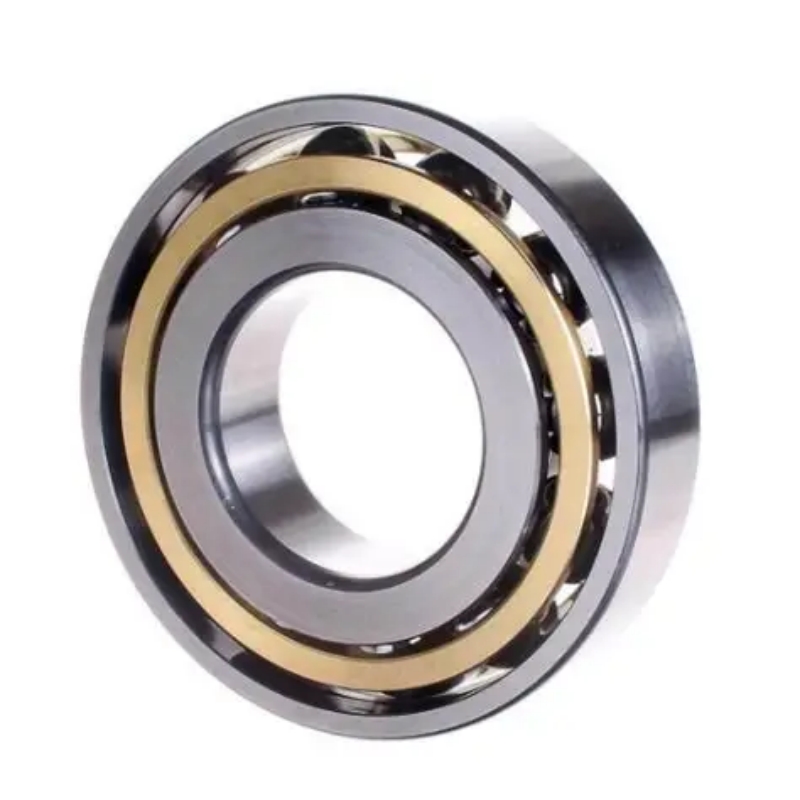
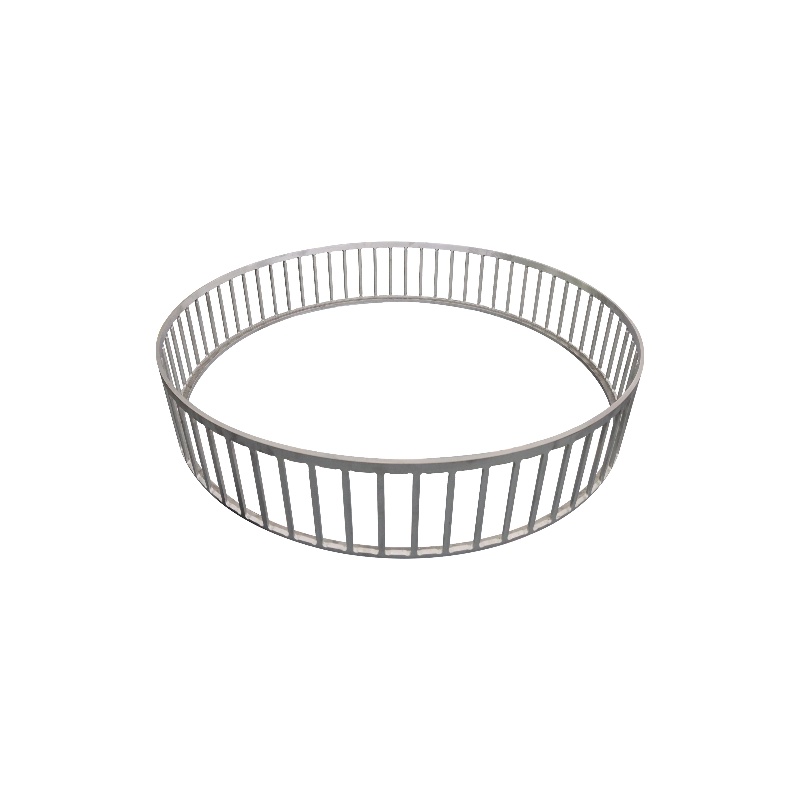
The cage,also called a retainer,separates and guides the rolling elements.Its purpose is to maintain appropriate spacing,guide the rolling elements through the bearing,and help prevent excessive contact between adjacent rolling elements.Cages can be manufactured from different materials,including pressed steel,machined brass,and synthetic resin. The appropriate cage design depends on factors such as bearing type,rotational speed,temperature,lubrication,load,and application requirements.It is important to note that cage construction is not identical across all bearing types. Some specialized bearing designs use different internal arrangements,so the exact construction should always be checked against the bearing drawing or manufacturer's specification.
Seals and Shields
Seals and shields are used when protection from the operating environment or lubricant retention is required.An open bearing provides easier access for lubrication and is often used where the machine already has an external sealing arrangement.Shielded bearings use non-contact or controlled-clearance protective elements,commonly metal shields.Sealed bearings typically use elastomeric seals to help retain lubricant and reduce the entry of dust,moisture,and other contaminants.The correct choice depends on speed,temperature,contamination level,lubrication requirements,and available space.6.
Lubrication
Lubrication is essential to bearing performance.Grease is widely used because it can remain within the bearing arrangement and is relatively simple to apply. Oil lubrication may be selected when heat removal,high-speed operation,or continuous lubrication is important.The wrong lubricant—or the wrong quantity—can result in overheating,increased friction,accelerated wear,or premature bearing failure.Therefore,bearing lubrication should be considered together with speed,temperature,load,seal arrangement,and maintenance requirements.
There are many types of bearings,and no single bearing design is suitable for every application.The two broad categories of rolling bearings are ball bearings and roller bearings. They can also be classified according to the primary load direction as radial bearings and thrust bearings.Ball Bearings
Ball bearings use spherical balls as rolling elements.Their relatively small rolling contact area allows many ball bearing designs to achieve good rotational speed and low friction.
Common types include:
Deep Groove Ball Bearings
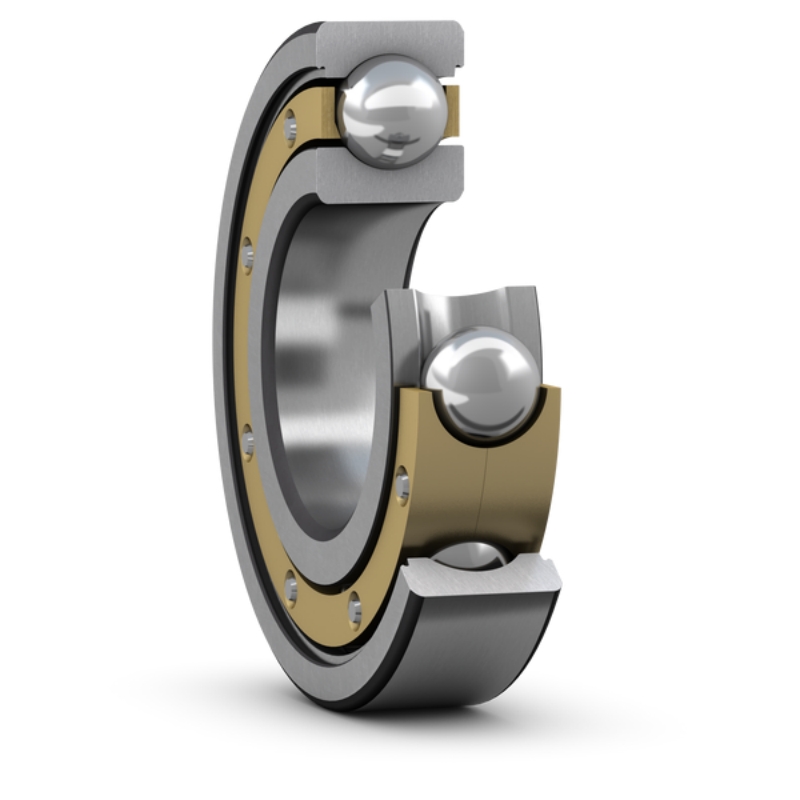
Deep groove ball bearings are widely used for general-purpose rotating machinery.They can primarily support radial loads and can also accommodate axial loads within the limits of their design.
Typical applications include:
Electric motors
Fans and blowers
Pumps
Gearboxes
Conveyors
Household equipment
General industrial machinery
Angular Contact Ball Bearings
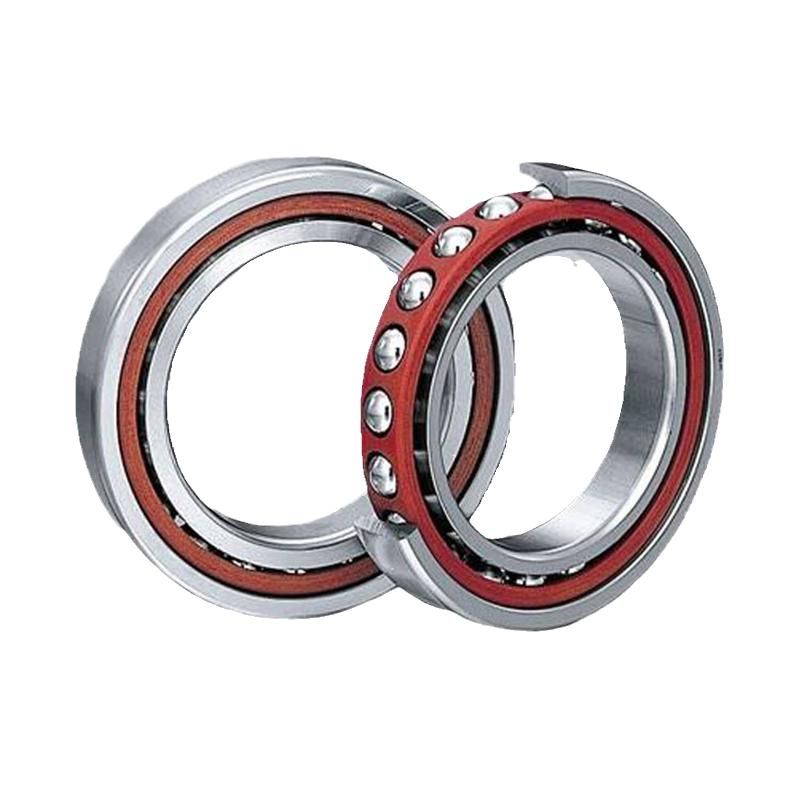
Angular contact ball bearings are designed so that the contact geometry allows them to support combined radial and axial loads.They are frequently used where rotational accuracy,stiffness,and speed are important,including:
CNC machine tool spindles
Precision machinery
Pumps and compressors
Servo systems
Robotics
High-speed rotating equipment
Angular contact bearings may be arranged individually or in matched sets depending on the required load direction and stiffness.
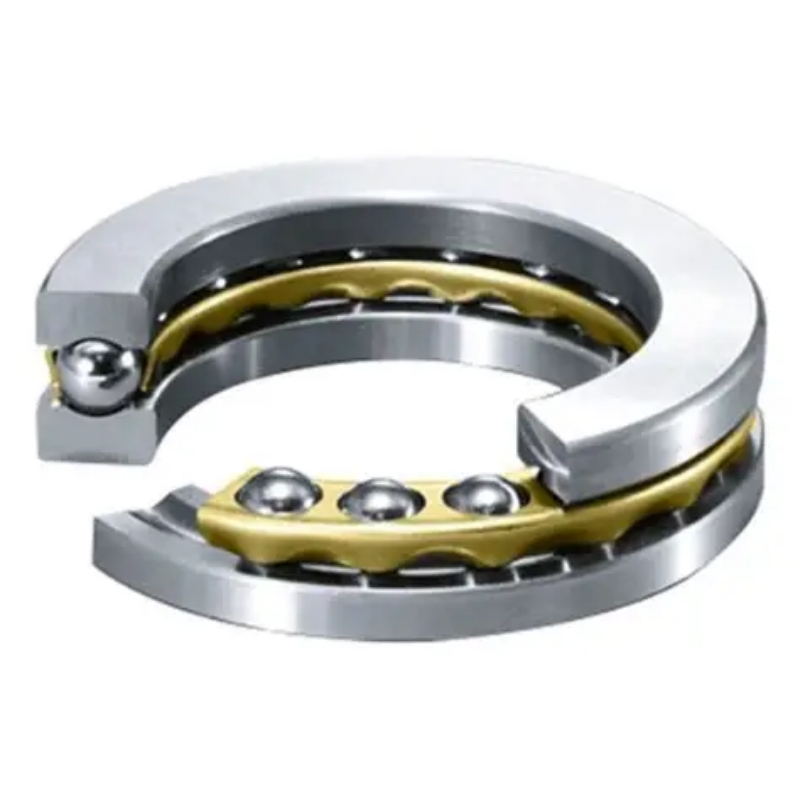
Thrust Ball Bearings
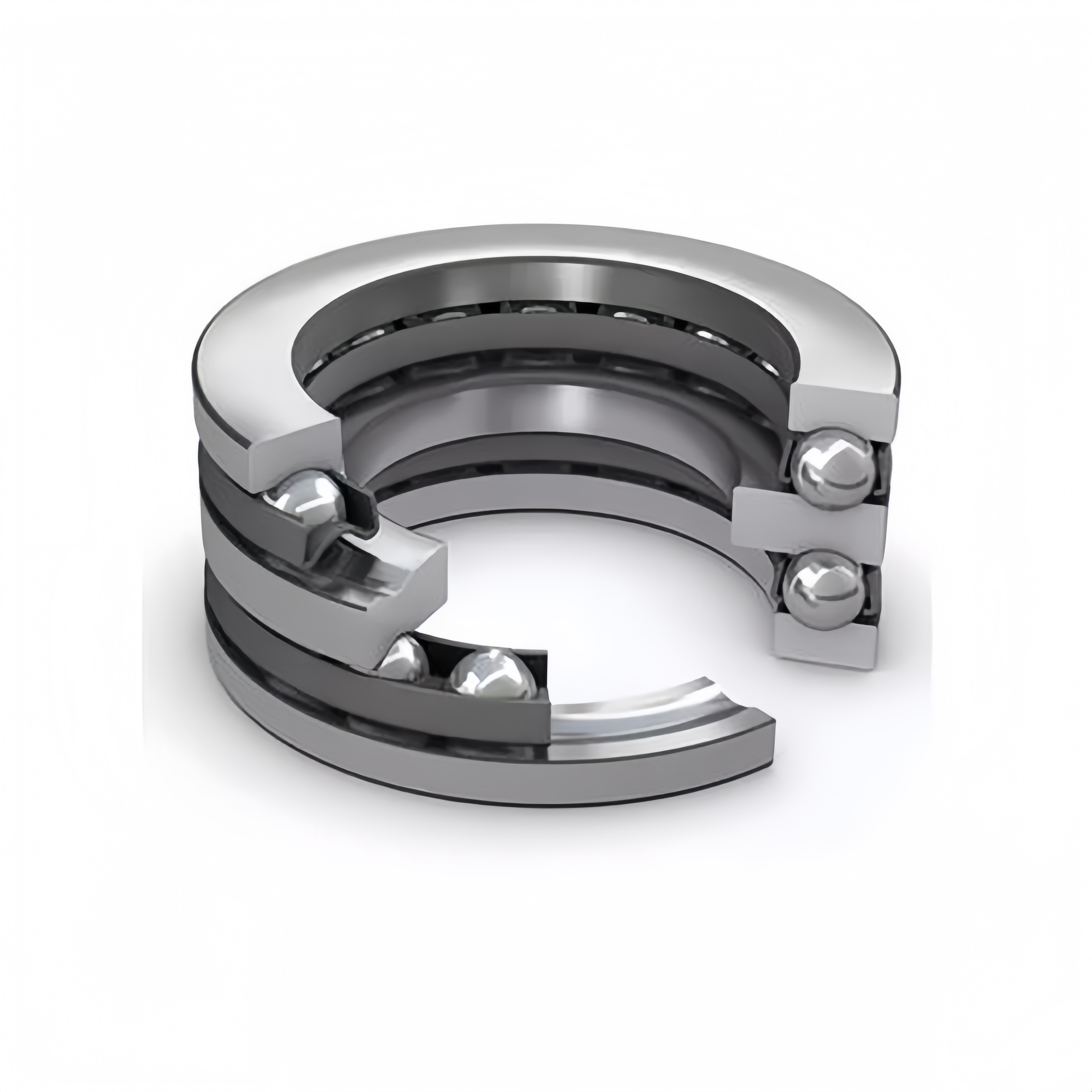
Thrust ball bearings are primarily intended for axial loads.They are suitable for applications where the main force acts parallel to the shaft axis,although their permissible radial load capability depends on the specific design and should not be assumed.Roller Bearings
Roller bearings use rollers instead of balls. The roller geometry provides a larger contact area and can provide higher load capacity in many applications.
Cylindrical Roller Bearings
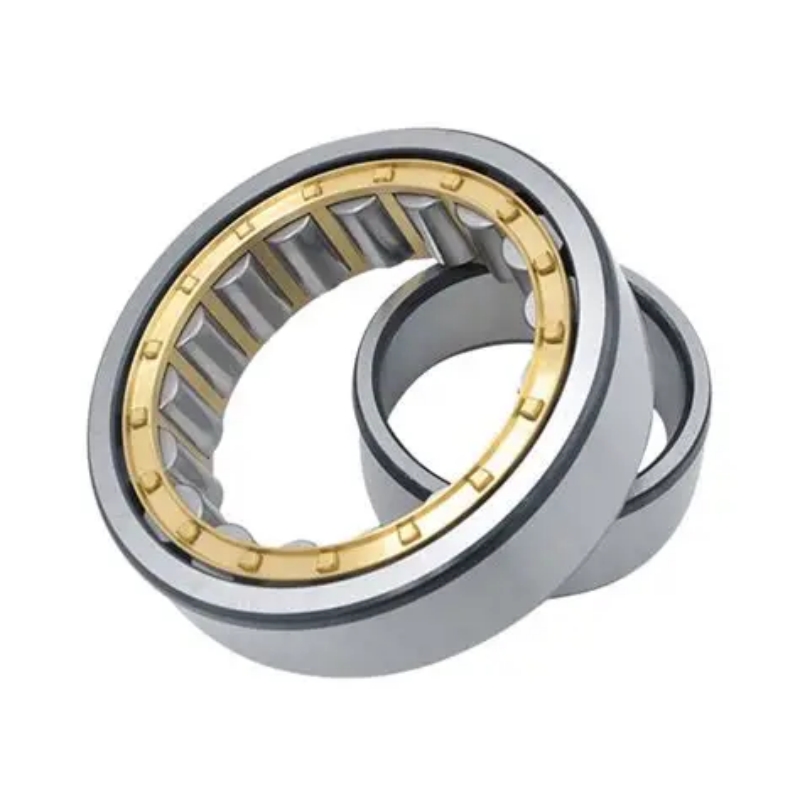
Cylindrical roller bearings are commonly selected for high radial loads and applications where radial stiffness is important.They are used in:
Electric motors
Gearboxes
Rolling mills
Machine tools
Industrial transmission systems
Heavy machinery
Different internal designs can provide different levels of axial displacement capability and axial load support.
Tapered Roller Bearings
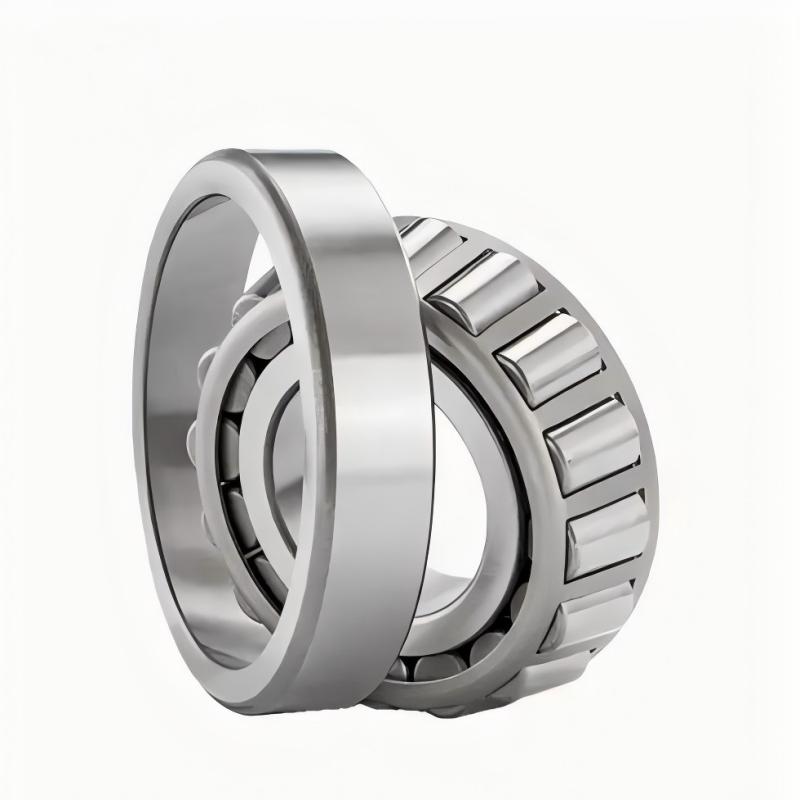
Tapered roller bearings use tapered rollers and raceways.Their geometry enables them to support combined radial and axial loads,making them common in:
Automotive wheel hubs
Transmissions
Axle systems
Construction equipment
Industrial gearboxes
Heavy machinery
Spherical Roller Bearings
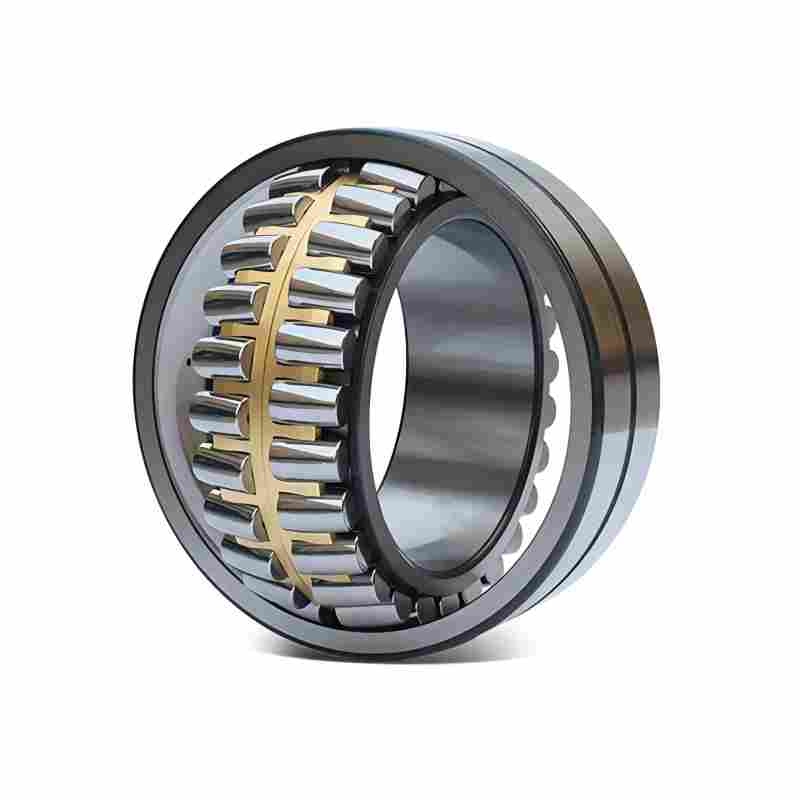
Spherical roller bearings are designed for high-load applications and can accommodate certain shaft-to-housing misalignment.They are widely used in demanding industrial equipment such as:
Mining machinery
Crushers
Conveyors
Steel equipment
Gearboxes
Heavy industrial machines
Needle Roller Bearings
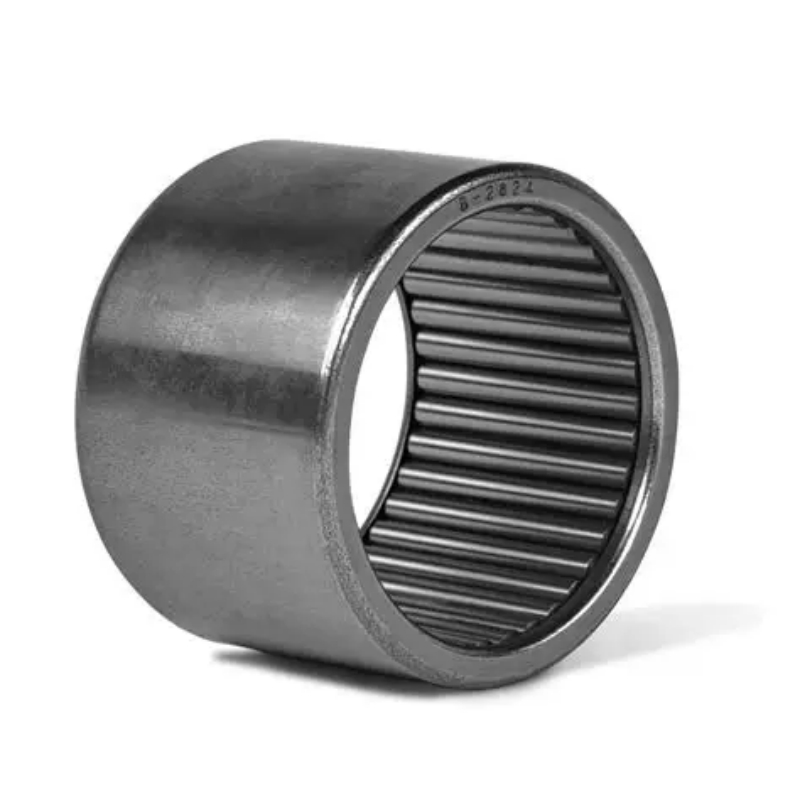
Needle roller bearings use long,relatively small-diameter rollers.Their compact radial cross-section makes them useful when installation space is limited but relatively high radial load capacity is required.Typical applications include automotive components,transmissions,gearboxes,compact machinery,and industrial mechanisms.
Radial Bearings and Thrust Bearings
Another useful way to understand types of bearings is by the direction of the primary load.Radial Bearings
Radial bearings are mainly designed to support loads acting perpendicular to the shaft axis.Examples include:
Deep groove ball bearings
Cylindrical roller bearings
Needle roller bearings
Spherical roller bearings
Some radial bearing designs can also accommodate axial loads.
Modern bearing applications extend across almost every major mechanical industry.
Automotive
Bearings are used in wheel-end systems,transmissions,engines,steering systems,accessories,and other rotating assemblies.Automotive bearings may need to withstand changing speeds,shock loads,temperature variations,vibration,and contamination.Machine Tools
Machine tools place particularly demanding requirements on bearing performance.Spindle bearings may need high rotational accuracy,stiffness,speed capability,low vibration,and controlled thermal behavior.Precision angular contact ball bearings and cylindrical roller bearings are commonly used in different spindle arrangements.
Industrial Machinery
Industrial equipment uses bearings in motors,gearboxes,pumps,compressors,fans,conveyors,rolling mills,textile machines,and packaging systems.The appropriate bearing design depends on the machine's load spectrum,speed,installation arrangement,lubrication,and environmental conditions.
Robotics and Automation
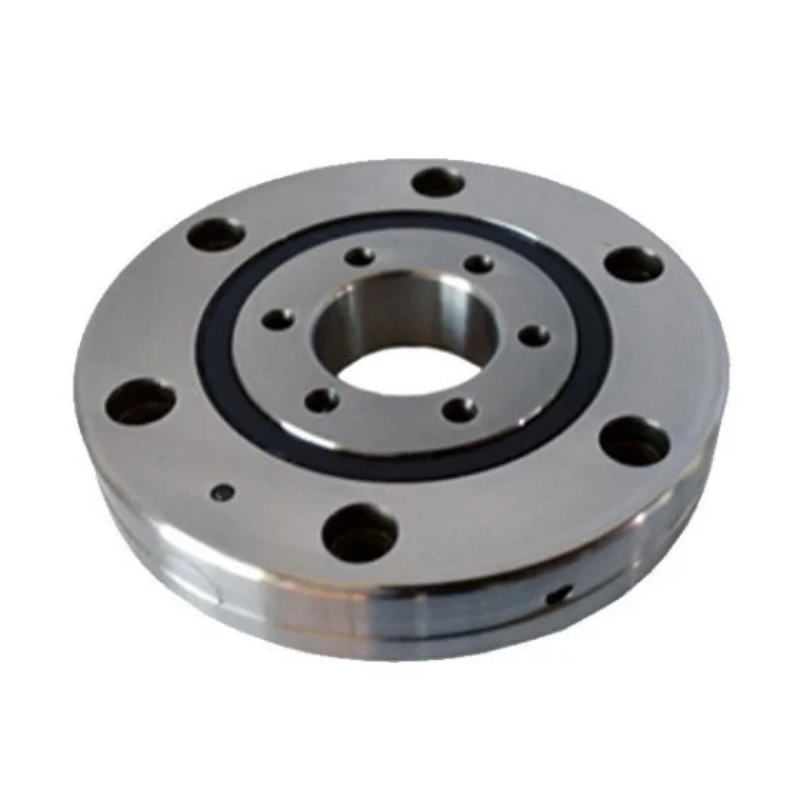
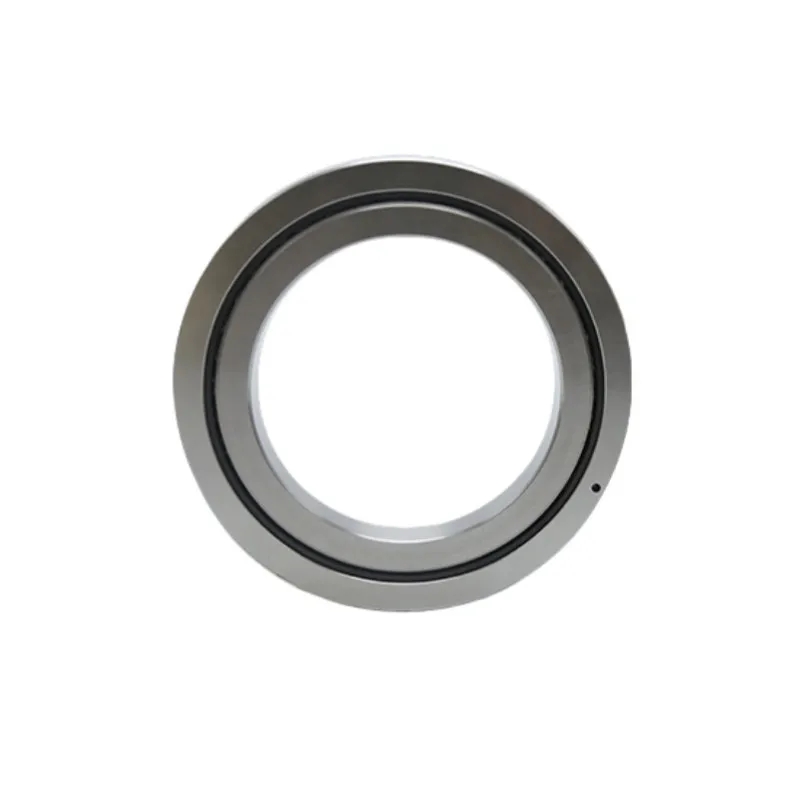
Robotic systems often require bearings that combine high rigidity,accuracy,compact dimensions,and the ability to handle complex loading.Crossed roller bearings,angular contact ball bearings,thin-section bearings,and other precision bearing designs may be used in robotic joints,rotary tables,positioning mechanisms,and automation equipment.
Wind Energy
Wind turbines contain bearings in drivetrain,generator,pitch,yaw,and other rotating systems.These bearings can experience substantial loads and demanding operating environments,making load rating,lubrication,sealing,reliability,and service life important selection considerations.
Medical,Optical and Precision Equipment
Medical devices,optical instruments,semiconductor equipment,measuring systems,and laboratory machinery may require bearings with low vibration,low friction,high precision,and stable operation.In these applications,dimensional accuracy alone may not be sufficient. Rotational runout,noise,preload,lubrication,and cleanliness can also become critical.
How to Choose a Bearing?
Knowing how to choose a bearing is one of the most important parts of bearing engineering.Selecting a bearing only by bore diameter and outside diameter can lead to poor performance.
A professional selection process should begin with the machine's operating requirements.
Identify the Load Direction
Determine whether the application has:
Radial load
Axial load
Combined radial and axial load
Moment load
Shock or impact loading
The bearing type must have the appropriate load-carrying characteristics for the actual force system.
Calculate the Load
Load magnitude is a key factor in bearing selection.For demanding applications,engineers normally consider dynamic and static load ratings,equivalent bearing load,expected load spectrum,and required service life.For the same overall dimensions,roller bearings can provide higher load capacity than many ball bearing designs,although the correct choice depends on the complete operating requirements.
Check Rotational Speed
Speed affects bearing temperature,lubricant behavior,cage performance,friction,and service life.High-speed applications may require:
Higher precision
Appropriate internal clearance
Special cage designs
Suitable lubrication
Controlled preload
Improved balancing and mounting accuracy
A bearing capable of carrying the required load is not necessarily suitable for a high-speed application.Consider Accuracy and Rigidity
Precision machinery requires more than basic dimensional compatibility.Depending on the application,engineers may need to consider:
Bearing tolerance class
Radial and axial runout
Internal clearance
Preload
Rotational accuracy
Stiffness
Pairing or arrangement
For machine tool spindles,robotics,rotary tables,and measuring equipment,these factors can be especially important.Evaluate Temperature and Environment
Operating temperature,dust,water,chemicals,vibration,and other contaminants can influence bearing design.Harsh environments may require special seals,corrosion-resistant materials,specialized lubricants,or alternative bearing materials.Temperature should also be considered because excessive heat can change lubricant viscosity,dimensional relationships,and internal bearing conditions.
Select the Correct Lubrication
Grease and oil are not interchangeable choices for every application.Grease is convenient for many general-purpose applications,while oil may provide advantages where heat dissipation or continuous high-speed operation is important.Lubricant selection should consider speed,temperature,load,bearing type,sealing arrangement,and maintenance intervals.
Check Shaft and Housing Conditions
Bearing performance depends heavily on the components surrounding the bearing.Shaft diameter,housing bore,roundness,cylindricity,surface finish,fit,shoulder dimensions,and alignment can all affect internal bearing conditions.An accurately manufactured bearing cannot compensate indefinitely for an incorrectly designed shaft or housing.
Consider Service Life and Maintenance
Bearing selection should match the required operating life of the machine.Engineers should consider not only theoretical fatigue life but also lubrication life,sealing performance,contamination,wear,installation quality,vibration,and maintenance conditions.Professional bearing selection therefore considers the complete operating system rather than one specification in isolation. Industry bearing selection guidance likewise recommends evaluating operating conditions and application-specific requirements rather than following a single universal selection procedure.
Bearing Materials and Manufacturing Quality
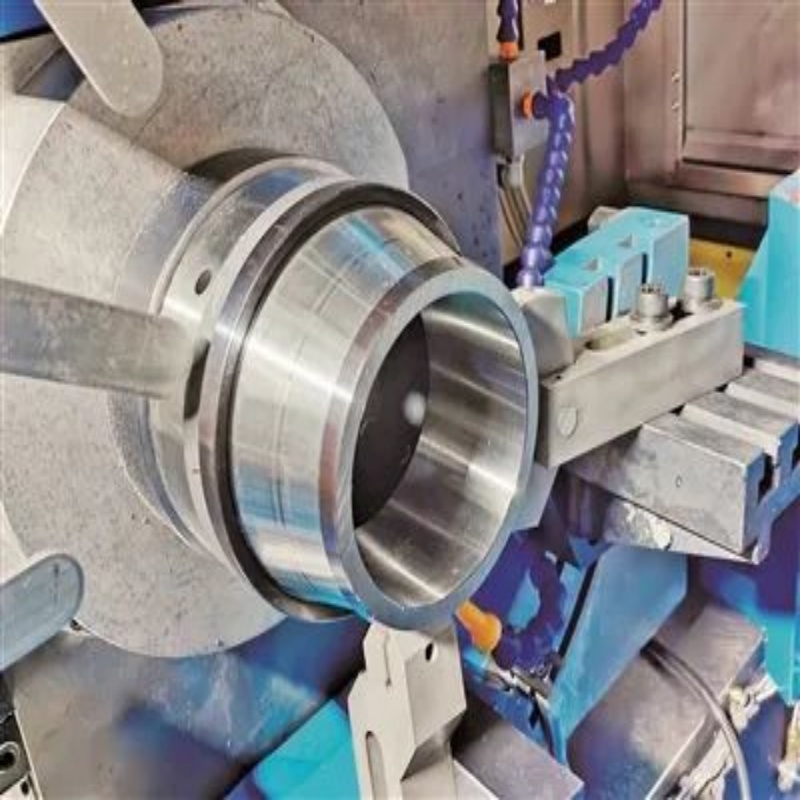
For demanding applications,bearing material and manufacturing process can be just as important as the basic bearing type.Bearing rings and rolling elements are commonly manufactured from bearing steels selected for hardness,fatigue resistance,dimensional stability,and wear resistance. Specialized applications may use stainless steel,high-temperature materials,ceramic rolling elements,or other engineered materials.Manufacturing quality also depends on processes such as:
Forging or material preparation
Turning
Heat treatment
Grinding
Superfinishing
Dimensional inspection
Raceway inspection
Assembly
Lubrication
Final quality control
For precision bearings,raceway geometry,surface finish,roundness,waviness,internal clearance,preload,and rotational accuracy can have a significant influence on final performance.This is why professional bearing manufacturing requires control over both material quality and machining accuracy.
For technical specifications,pricing,or custom bearing cage solutions:
Email:paul@newbeetrans.com
Website:www.newbeetrans.com
 WhatsApp
 sales@newbeetrans.com
 +8615090185276