
NewBee Machinery is a professional machinery parts manufacturer providing high quality precision bearings, high-quality non-standard transmission components, and intelligent CNC equipment and more.
NewBee Machinery is a professional machinery parts manufacturer providing high quality precision bearings, high-quality non-standard transmission components, and intelligent CNC equipment and more.
Bearing radial clearance (also known as radial internal clearance or radial play) is the total distance that one bearing ring can be moved relative to the other ring in the radial direction (perpendicular to the bearing's axis). Essentially, it is the internal "looseness" or gap between the rolling elements (balls or rollers) and the bearing's raceways.
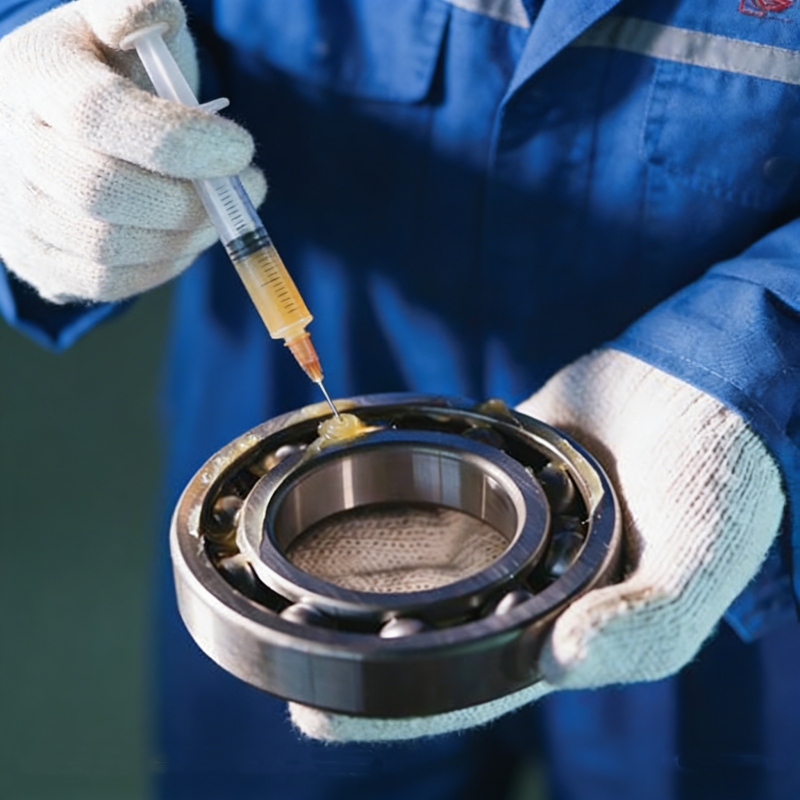
Key factors affecting radial clearance include material thermal expansion coefficients—different materials (e.g., GCr15 steel used by NewBee) expand differently under temperature changes, altering clearance. Assembly interference fit between the bearing and shaft/housing directly reduces clearance; excessive interference may eliminate it entirely. Working conditions such as temperature rise and load magnitude also impact clearance: higher temperatures expand components, while heavy loads compress rolling elements, both reducing effective clearance. Lubricant viscosity further influences clearance stability, as proper lubrication maintains consistent operating clearance.
Proper radial clearance is critical for performance. For NewBee's precision bearings in CNC machines and semiconductors, optimal clearance ensures nanometer-level rotational accuracy. Adequate clearance accommodates thermal expansion, preventing overheating and seizure. It also reduces friction and wear, extending bearing life—NewBee's energy-saving cases in steel plants highlight how optimized clearance cuts maintenance frequency. However, excessive clearance increases vibration and noise (low-frequency noise rises significantly), while insufficient clearance raises operating temperature and reduces rigidity, compromising equipment precision.
Calculation follows national standards and practical conditions: First, confirm the original clearance from manufacturer data (NewBee provides detailed clearance specs for its bearings). Then subtract clearance reduction from assembly interference. Finally, adjust for thermal expansion using the formula: Operating Clearance = Original Clearance - Interference Reduction + Thermal Expansion Compensation. For precision applications like aerospace, NewBee's professional team uses specialized tools to measure actual clearance, ensuring compliance with ISO and national standards.
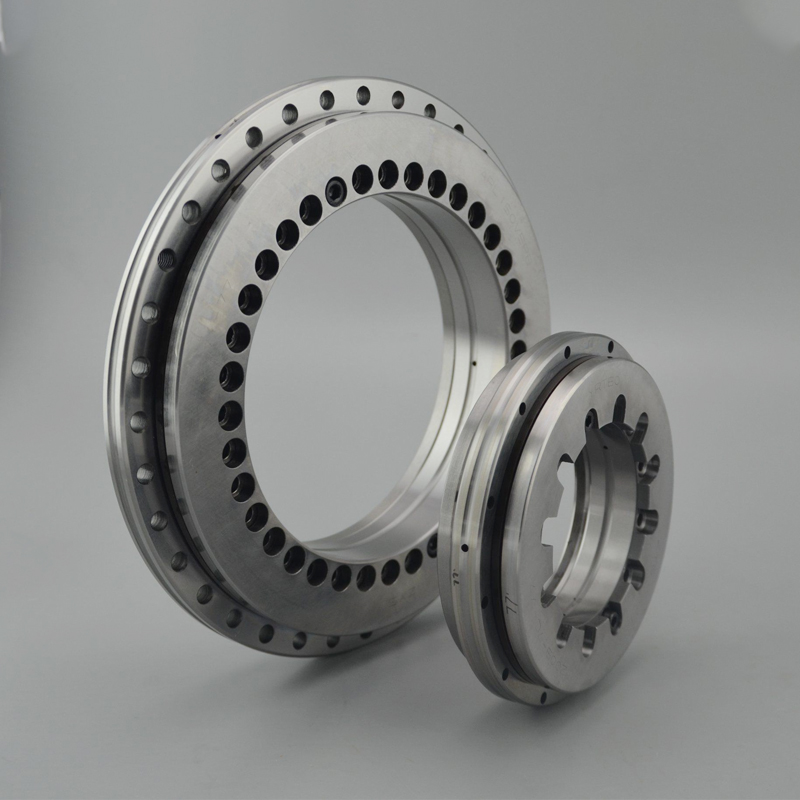
Incompatible clearance causes severe issues. Excessive clearance leads to increased vibration, noise, and reduced rotational precision—critical for NewBee's YRT bearings in satellite communications. It accelerates raceway and ball wear, shortening service life. Insufficient clearance generates excessive heat, deteriorating lubricant and causing premature bearing failure, as seen in substandard products cited in quality inspections. For heavy machinery like mining equipment, mismatched clearance may trigger sudden breakdowns. NewBee's onsite technical support helps customers avoid these issues through proper clearance selection and installation guidance.
For technical specifications, pricing, or custom engineering solutions:
Email: paul@newbeetrans.com
Website: www.newbeetrans.com

 WhatsApp
 sales@newbeetrans.com
 +8615090185276