
NewBee Machinery is a professional machinery parts manufacturer providing high quality precision bearings, high-quality non-standard transmission components, and intelligent CNC equipment and more.
NewBee Machinery is a professional machinery parts manufacturer providing high quality precision bearings, high-quality non-standard transmission components, and intelligent CNC equipment and more.
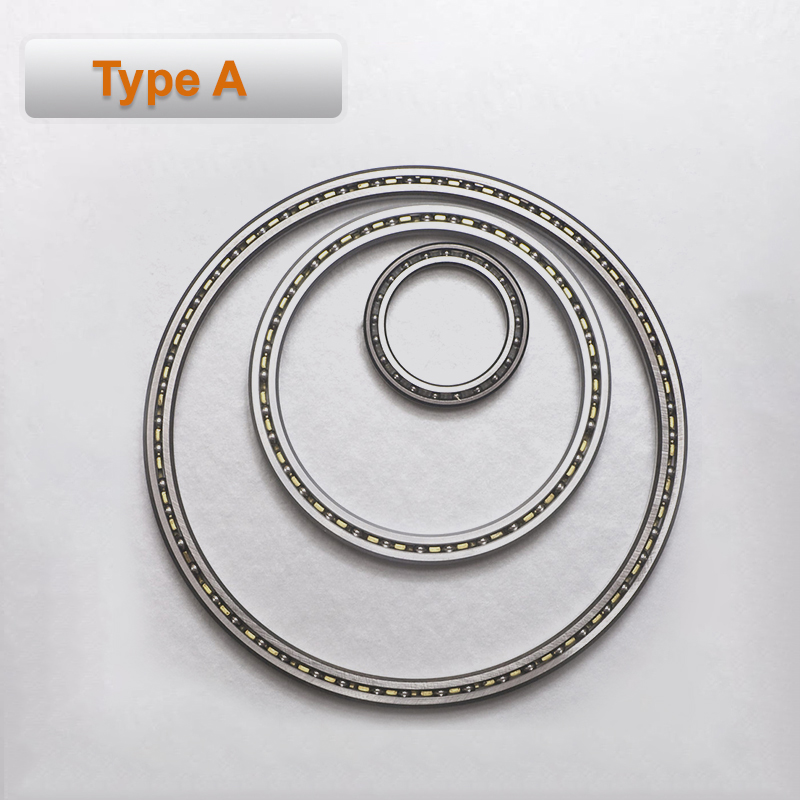
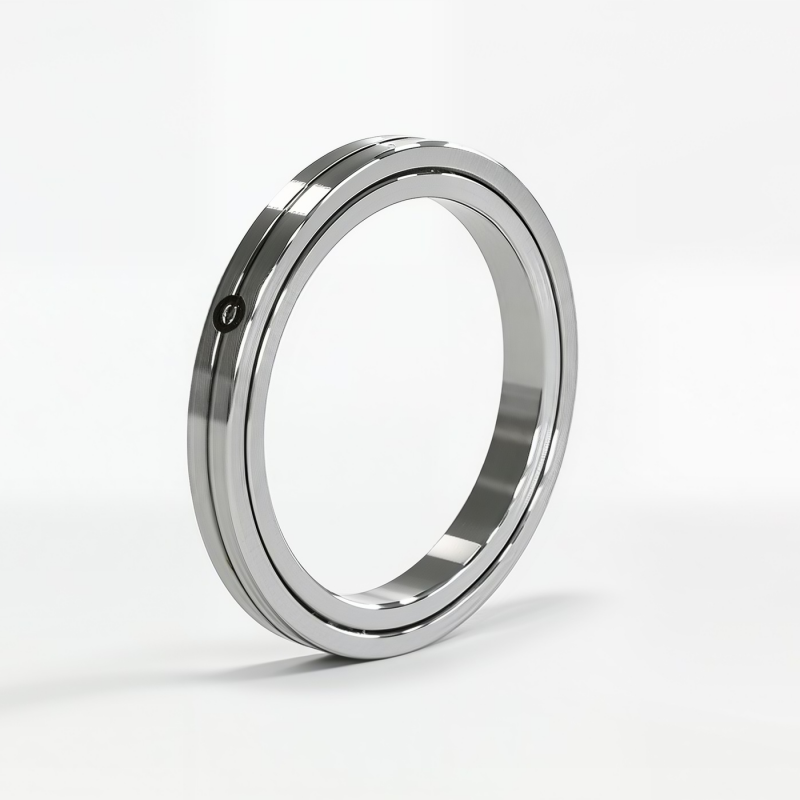
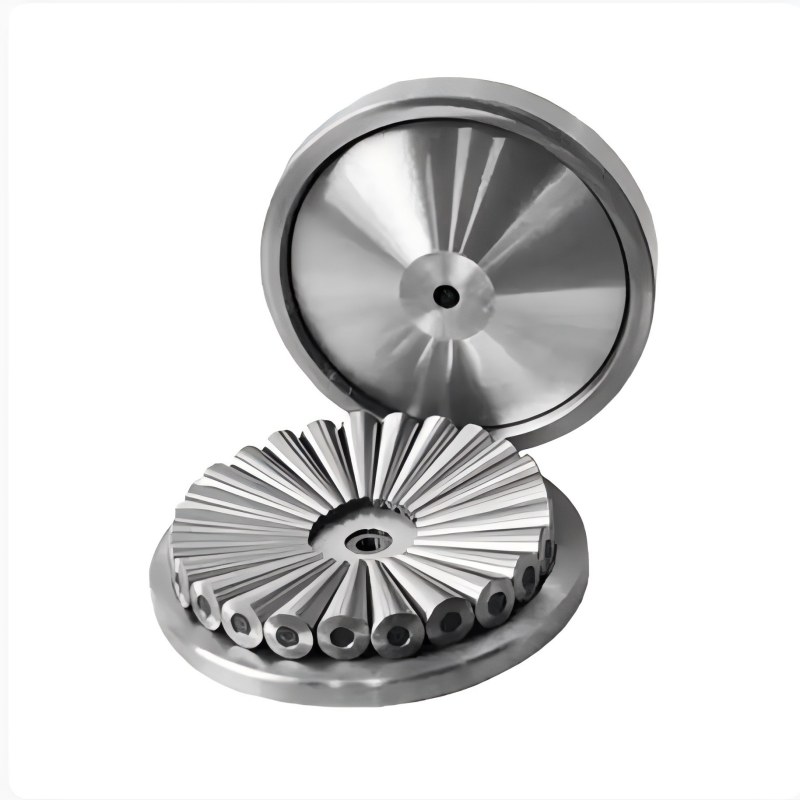
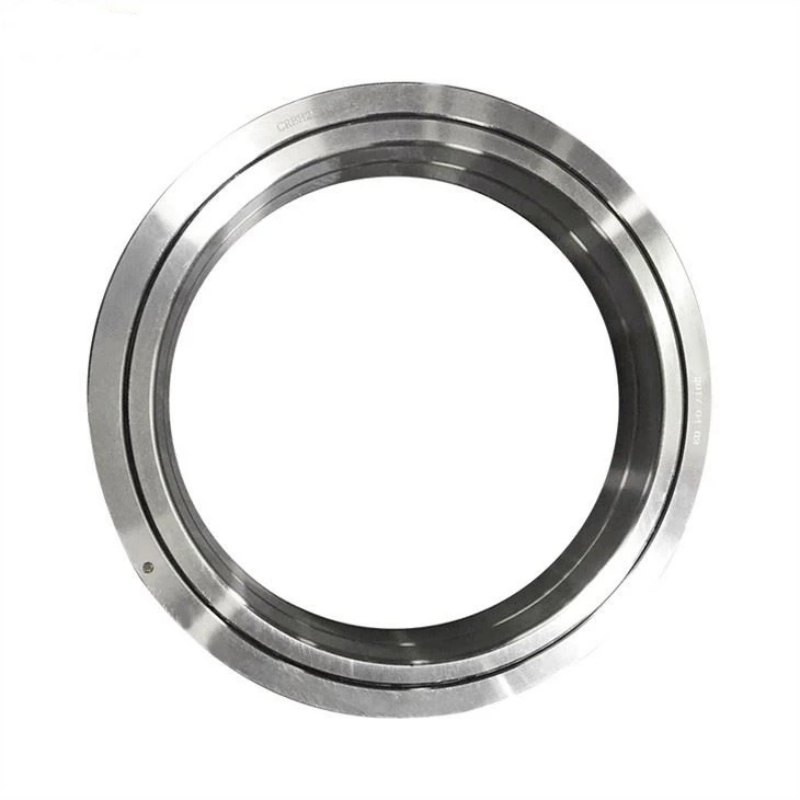
A CRBS crossed roller bearing is a high-precision, compact bearing with rollers arranged at right angles, allowing it to handle radial, thrust, and moment loads simultaneously, making it ideal for robotics and precision machinery needing high rigidity, accuracy, and space efficiency, with "CRBS" often denoting slim or super-slim types for tight spaces.
Superior heavy-load capacity: Optimized roller contact design increases load-bearing capacity by over 40% compared to conventional crossed roller bearings. The 90° crossed arrangement forms line contact with raceways, stably withstanding radial, axial, and moment heavy loads, suitable for ultra-heavy equipment scenarios.
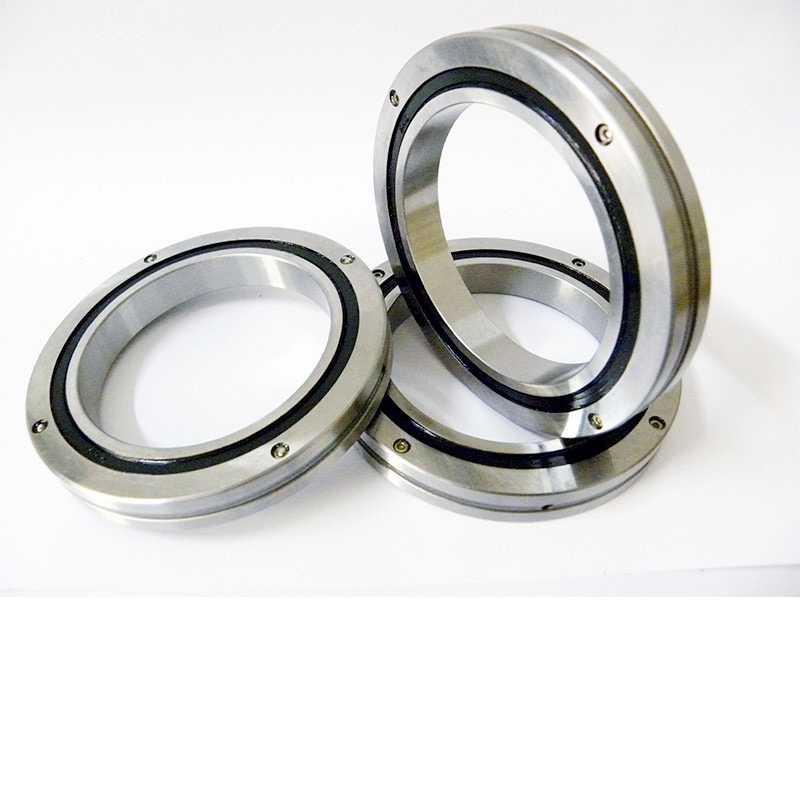
Integrated flange for stable installation: The inner ring integrates a precision-machined flange with standard mounting holes, eliminating the need for additional positioning seats. Direct bolt fixation reduces installation errors, ensuring coaxiality and operational stability under heavy loads.
High rigidity and deformation resistance: Heavy-load reinforced materials (GCr15 high-carbon chromium steel, HRC 61-63) combined with the crossed roller layout enhance deformation resistance by 3.5 times, minimizing structural deformation under heavy cutting or positioning loads.
Ultra-high precision: Precision grades include P5, P4, P2, with radial runout ≤0.003 mm (P4 grade) and axial runout ≤0.005 mm. Precision-ground raceways (surface roughness Ra≤0.08μm) and roller end faces ensure smooth rotation and micron-level positioning.
Long service life and wear resistance: Surface hardening treatment of bearing rings and precision polishing of roller end faces extend fatigue life and wear resistance by 50% compared to conventional bearings, ensuring stable operation for 10,000+ hours.
Strong environmental adaptability: Offers multiple sealing options (open type, UU/U contact seal, ZZ labyrinth seal) to adapt to clean, dusty, or humid heavy-load environments. Supports non-standard customization for special working conditions (high/low temperature, corrosion).
Heavy-duty robotics: Used in heavy-load robotic arm joints, end-effectors, and material handling robot bases. High load-bearing capacity and rigidity ensure precise motion control for loads of hundreds of kilograms.
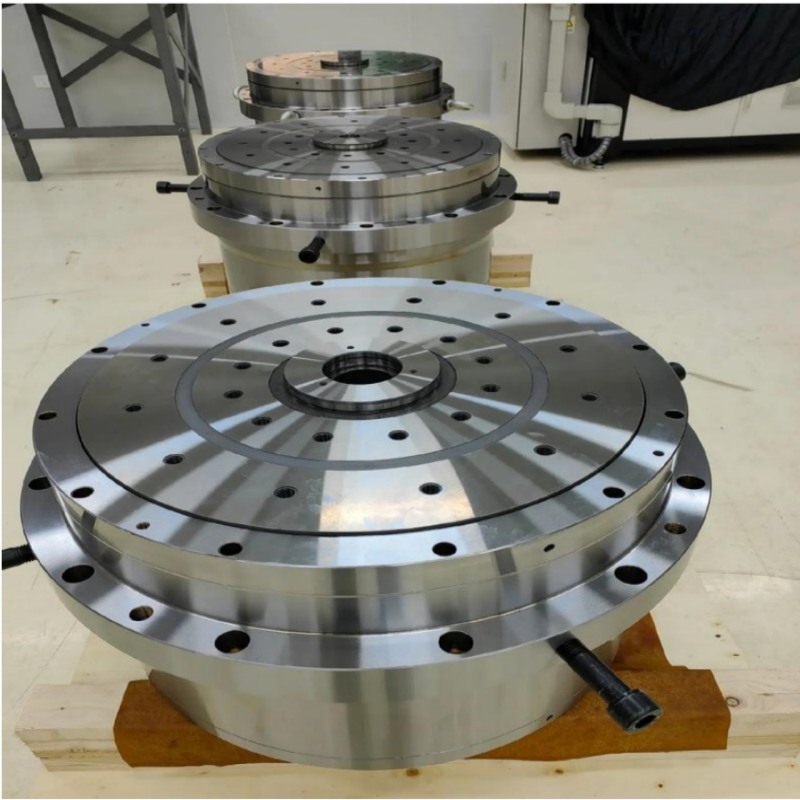
Precision rotary tables: Applied in heavy-duty CNC rotary tables, optical rotary stages, and measurement positioning platforms. Stable heavy-load performance and high precision guarantee machining and measurement accuracy.
Semiconductor equipment: Used in wafer inspection stages, lithography alignment systems, and metrology equipment. Low runout and stable torque support micron-level precision in microfabrication processes.
Industrial machinery: Integrated into large machining center worktables, container crane rotary mechanisms, and heavy-duty reducer shafts. Withstands complex heavy loads and shock loads in industrial production.
Medical & scientific instruments: Used in diagnostic imaging rotation units, laboratory automation devices, and analytical instruments. Compact design and quiet operation adapt to sensitive medical and scientific environments.
Aerospace & defense: Applied in satellite optical systems, navigation sensors, and compact gimbal assemblies. Low weight, high rigidity, and reliability meet aerospace equipment requirements.
Size and load rating: Larger inner diameter (e.g., >150 mm) or higher load capacity (e.g., radial load >25 KN) requires more raw materials and heavy-load optimized processing, increasing costs. Ultra-small sizes (inner diameter <50 mm) also have higher production difficulty.
Precision grade: P2/P4 high-precision bearings are 40%-70% more expensive than P5 grade. Strict grinding, dynamic balance testing, and precision inspection for heavy-load scenarios drive up production costs.
Material quality: Bearings made of SUS440C stainless steel (corrosion-resistant) are 50%-80% more costly than conventional GCr15 steel. Heavy-load reinforced alloys or ceramic rollers further increase prices.
Structural complexity: Customized flange specifications (thickness, hole diameter), ZZ labyrinth seals, or heavy-load optimization designs add processing steps, raising costs compared to standard open-type bearings.
Customization requirements: Non-standard size customization, special lubrication solutions (high/low temperature), or corrosion-resistant modifications increase design and production costs, with unit prices rising by 30%-60%.
Order quantity: Bulk orders (≥300 pieces) enjoy 15%-25% quantity discounts; small-batch (≤50 pieces) or urgent orders (delivery within 10 days) incur additional scheduling and logistics costs.
Operating condition matching: Clarify key parameters such as operating speed (≤1800 rpm for grease lubrication), radial/axial load ratio, moment load, working temperature (-40°C to +150°C), and environmental conditions (dust, humidity). Select appropriate sealing types (ZZ for high-dust, UU for humidity) accordingly.
Size and precision confirmation: Confirm inner/outer diameter, flange specifications, and precision grade based on equipment design drawings. For heavy-duty precision machinery (e.g., CNC rotary tables), prioritize P2/P4 grade; for general heavy-load equipment, P5 grade balances performance and cost.
Material and lubrication selection: Choose GCr15 for general heavy-load conditions, SUS440C for corrosive environments; select heavy-load dedicated grease (e.g., lithium-based grease with MoS2 additives) to ensure lubrication reliability under heavy loads.
Supplier qualification assessment: Verify the supplier’s production capacity (heavy-load bearing processing equipment, precision measuring instruments), quality certifications (ISO 9001), and after-sales service. Prioritize suppliers with CRBS specialized production experience to avoid heavy-load performance risks.
Cost-effectiveness balance: Compare technical indicators (load capacity, rigidity, service life) of different suppliers. Domestic brands like NEWBEE Transmission offer comparable performance to imported brands (e.g., IKO) at 30%-50% lower prices, with more flexible heavy-load customization support.
NEWBEE Transmission (Luoyang New Bee Transmission Co., Ltd.) is a professional supplier of high-quality CRBS crossed roller bearings, committed to providing reliable, cost-effective heavy-load bearing solutions for global customers. With advanced R&D and manufacturing capabilities, the company has become a preferred partner in heavy-duty machinery, robotics, and aerospace industries.
Comprehensive product range: Covers standard CRBS series with inner diameters 50–200 mm, outer diameters 66–226 mm, and cross-section heights 8–13 mm. Precision grades range from P5 to P2, including open-type, UU/U-sealed, and ZZ-sealed options.
Advanced manufacturing capabilities: Adopts international advanced CNC grinding machines and heavy-load performance testing equipment. Implements strict quality control processes, including roller sorting, raceway precision grinding, and heavy-load fatigue testing, ensuring product consistency.
Customization service advantages: Supports non-standard customization (size, flange specifications, heavy-load optimization), corrosion-resistant material modification (SUS440C), and special lubrication solutions for high/low temperature environments. Provides one-stop technical support from design to delivery.
Reliable quality assurance: Products comply with ISO 9001 and DIN standards, directly replacing imported brands such as IKO. Offers a 1.5-year warranty period and efficient after-sales service, including on-site installation guidance and heavy-load maintenance training.
Cost-effective supply chain: Localized production and optimized raw material procurement reduce costs. Products are 30%-50% more cost-effective than imported alternatives, with stable delivery cycles (7–15 days for standard models).
Standardized installation: Tighten inner ring flange bolts evenly (follow torque specifications) to avoid flange deformation. Ensure the installation surface is flat (flatness ≤0.005 mm) and clean, and use positioning pins to align mounting holes for coaxiality.
Scientific lubrication: Apply heavy-load dedicated grease before use, ensuring uniform lubrication of rollers and raceways. Replace lubricant every 1500–2500 operating hours; for continuous heavy-load operation, adopt oil circulation lubrication to control temperature rise.
Avoid overload operation: Operate within the rated load range (overload >120% may cause roller damage or raceway wear). For shock load scenarios, select bearings with enhanced load margins or add buffer structures.
Regular operation monitoring: Monitor operating temperature (normal rise ≤15°C), vibration, and noise. Abnormal phenomena (e.g., excessive temperature rise, loose bolts) indicate potential issues (insufficient lubrication, misalignment), requiring immediate shutdown inspection.
Proper storage and handling: Store in a clean, dry, ventilated environment (humidity ≤60%) to avoid rust. Place horizontally to prevent deformation of the integral outer ring; use shockproof packaging during transportation to avoid collision.
Technical Specifications of CRBS Crossed Roller Bearing
Parameter Type | Specificatio |
Bearing Type | CRBS Crossed Roller Bearing |
Load Capacity | High radial,axial,and moment heavy loads |
Precision Grade | P5,P4,P2 |
Material (Rings/Rollers) | GCr15 High-Carbon Chromium Steel,SUS440C Stainless Steel |
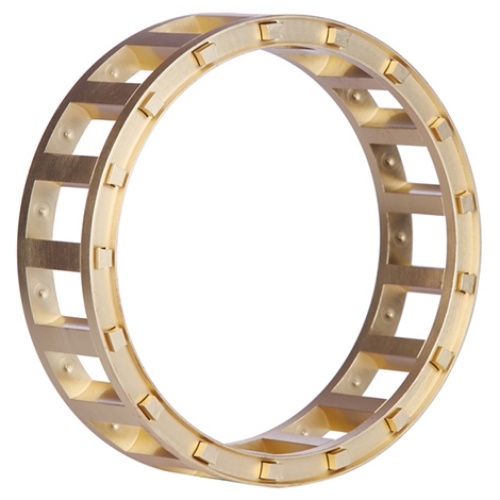
Cage Material | Brass,Reinforced Nylon 66 |
Sealing Type | Open,UU/U (Contact Seal) |
Inner Diameter Range | 50 mm-200 mm |
Outer Diameter Range | 66 mm-226 mm |
Cross-Section Height Range | 8 mm-13 mm |
Customization |
|
Certifications | ISO9001 |
For technical specifications, pricing, or custom engineering solutions:
Email: paul@newbeetrans.com
Website: www.newbeetrans.com

 WhatsApp
 sales@newbeetrans.com
 +8615090185276