
NewBee Machinery is a professional machinery parts manufacturer providing high quality precision bearings, high-quality non-standard transmission components, and intelligent CNC equipment and more.
NewBee Machinery is a professional machinery parts manufacturer providing high quality precision bearings, high-quality non-standard transmission components, and intelligent CNC equipment and more.
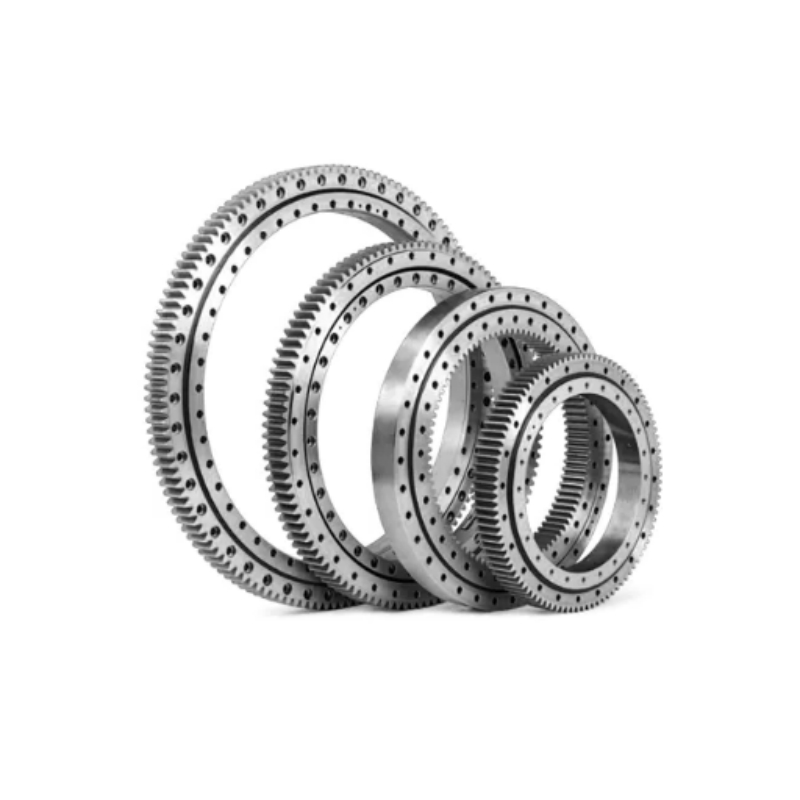
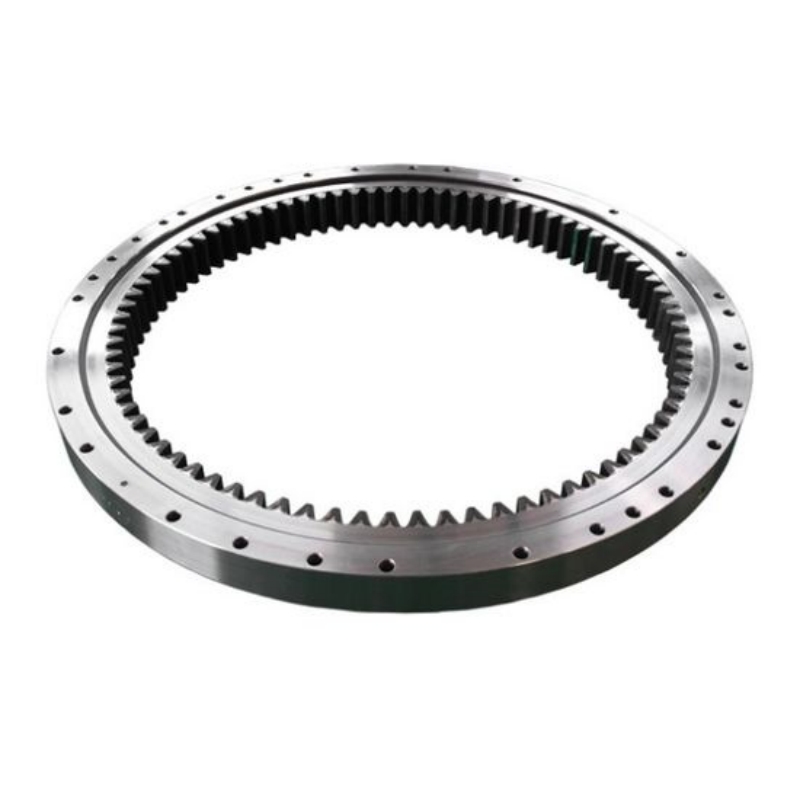
Slewing Bearings are critical components used across the medical industry.Designers and engineers make important decisions when specifying bearings for medical devices.Healthcare is undergoing tremendous transformation,driven largely by innovations in medical devices.These devices play an increasingly vital role in diagnosing,treating,and improving the lives of patients worldwide.Reliability is essential,and many devices rely on precision ball bearings to operate effectively under demanding conditions.
Surgical power tools,dental drills,pumps,and ventilators are just a few medical applications that require miniature and instrument ball bearings.Bearings are also key components in various diagnostic and imaging equipment.Material,lubrication,precision level,low noise,and contamination resistance are the five critical design attributes that designers must define correctly to ensure optimal performance of bearings used in medical devices.
Medical device bearings must meet strict requirements for biocompatibility,sterilization,corrosion resistance,precision,and quiet operation.The five core design elements are as follows:
Material Selection
Bearings used in medical devices must feature rings and balls manufactured from high-purity materials,complying with patient contact,sterilization,and regulatory standards.
Refined Martensitic Stainless Steel:Sold under trade names such as KS440,ACD34,and X65Cr13,it offers corrosion resistance equivalent to conventional AISI 440C with lower carbon and chromium content.Heat treatment produces fine,uniformly dispersed carbides for low noise and vibration,ideal for high-speed devices like dental drills and surgical handpieces.
Nitrogen-Enhanced Martensitic Stainless Steel:Delivers five times higher corrosion resistance than 440C,longer fatigue life,and ultra-low noise,making it suitable for blood-exposed environments.
Ceramic Balls (Silicon Nitride):Lightweight,non-magnetic,chemical-resistant,and capable of extremely high limiting speeds,perfect for highspeed handpieces.However,higher hardness increases contact stress and reduces fatigue life compared to steel balls.
Full Ceramic Bearings:Fully non-magnetic and well-suited for imaging equipment,but cannot match the precision of standard steel bearings and carry a high cost.
Titanium & 300 Series Stainless Steel:Biocompatible but rarely used due to reduced load capacity and significantly higher cost.
The cage directly impacts speed capability,torque,and noise generation in medical bearings.
Standard medical bearings commonly use 300 series stainless steel cages.
High-speed applications adopt plastic or phenolic resin crown cages.
Ultra-high-speed rotations require one-piece machined cages in angular contact bearings for enhanced stability.
Plastic cages are lightweight,heat-resistant up to 500 °F,and autoclavable.
Phenolic cages feature a porous structure that can be oil-impregnated for improved lubrication.
Materials such as polyamide-imide with graphite or PTFE additives further enhance lubrication performance.
Medical devices demand extremely tight dimensional and rotational accuracy to ensure stable,repeatable motion in diagnostic,surgical,and therapeutic equipment.Precision manufacturing and grinding processes maintain micronlevel runout and positioning control.
Low Noise & Low Vibration
Low noise and vibration are mandatory in clinical environments,surgical tools,imaging systems,and patientcontact devices.Optimized material,heat treatment,and surface finishing minimize vibration and acoustic output for smooth,quiet operation.
Contamination Resistance & Sterilization Compatibility
Medical bearings must resist dust,fluids,and biological contaminants while supporting repeated sterilization cycles.Sealed designs,cleanroom compatibility,and autoclavable materials prevent contamination buildup and ensure longterm reliability in clinical settings.
Medical bearings support precise and reliable motion in a wide range of life
Supporting and diagnostic equipment:Surgical Instruments:Surgical handpieces,power tools,and minimally invasive devices
Dental Equipment:High-speed dental drills and electric handpieces
Life Support Systems:Medical pumps,ventilators,and infusion devices
Diagnostic & Imaging Machines:MRI,CT,and clinical scanning instruments
Laboratory Automation:Precision analyzers,sample handling,and robotic testing systems
NewBee Transmission is a professional manufacturer of precision bearings for medical devices,focusing on highperformance,reliable bearing solutions for the healthcare industry
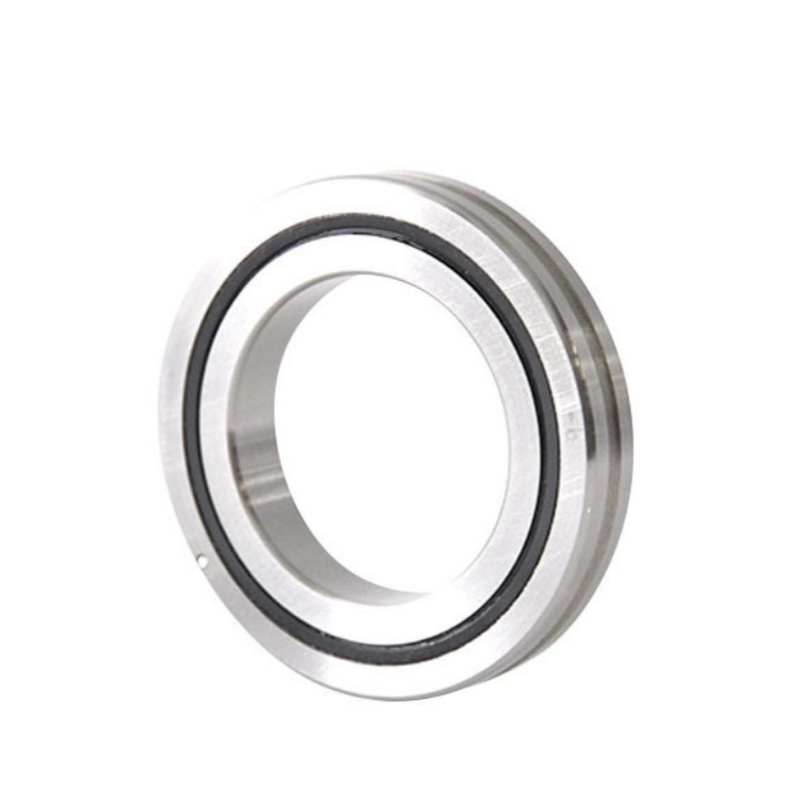
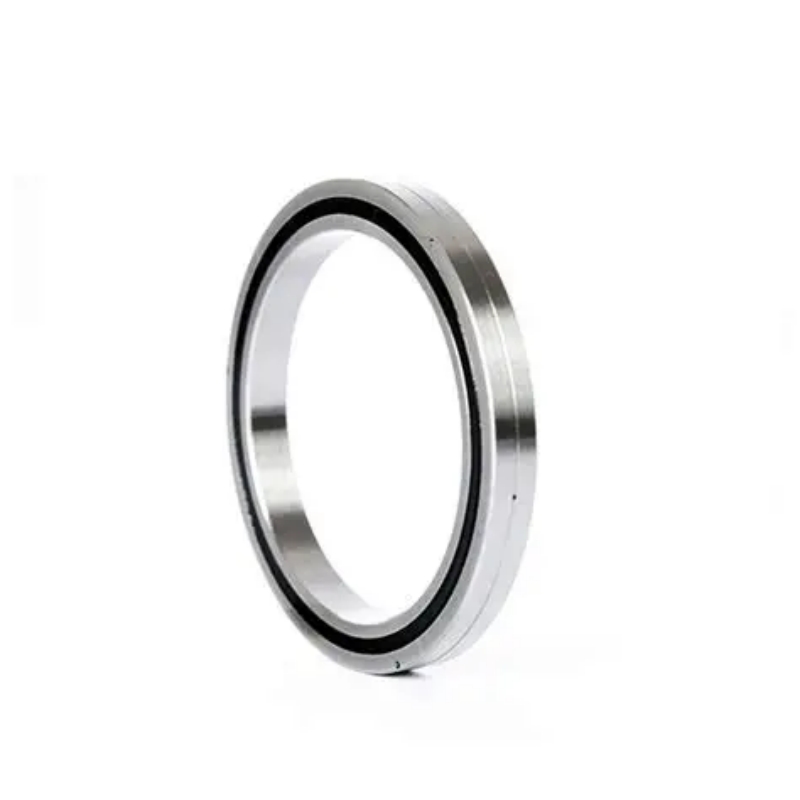
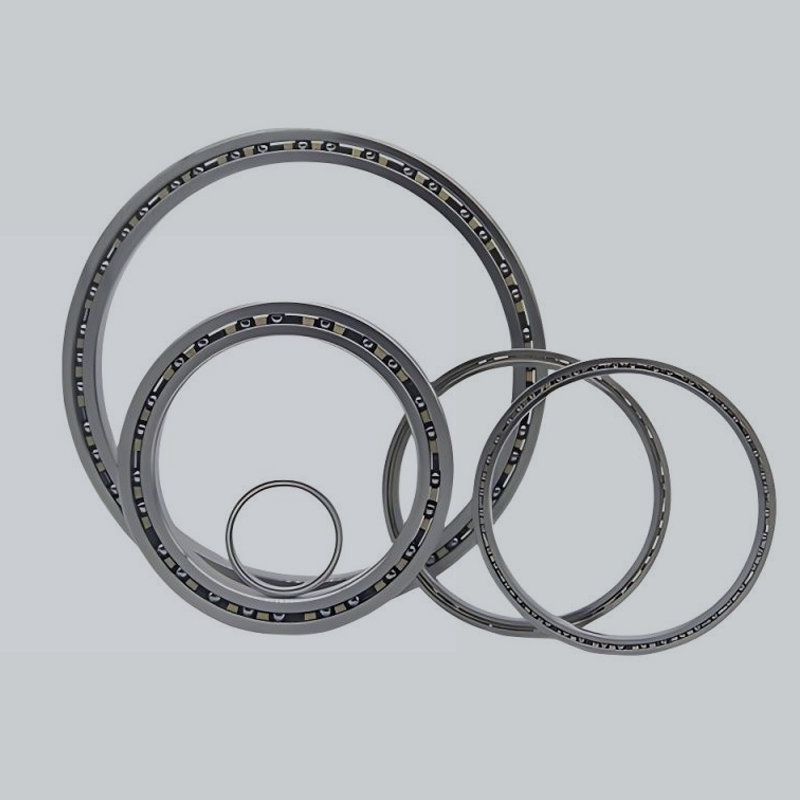
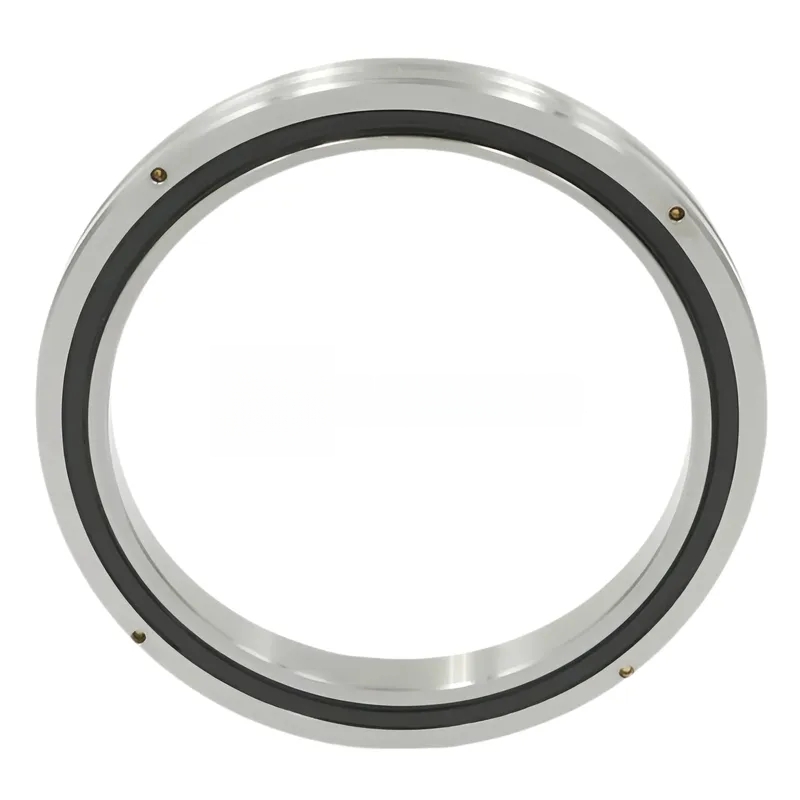
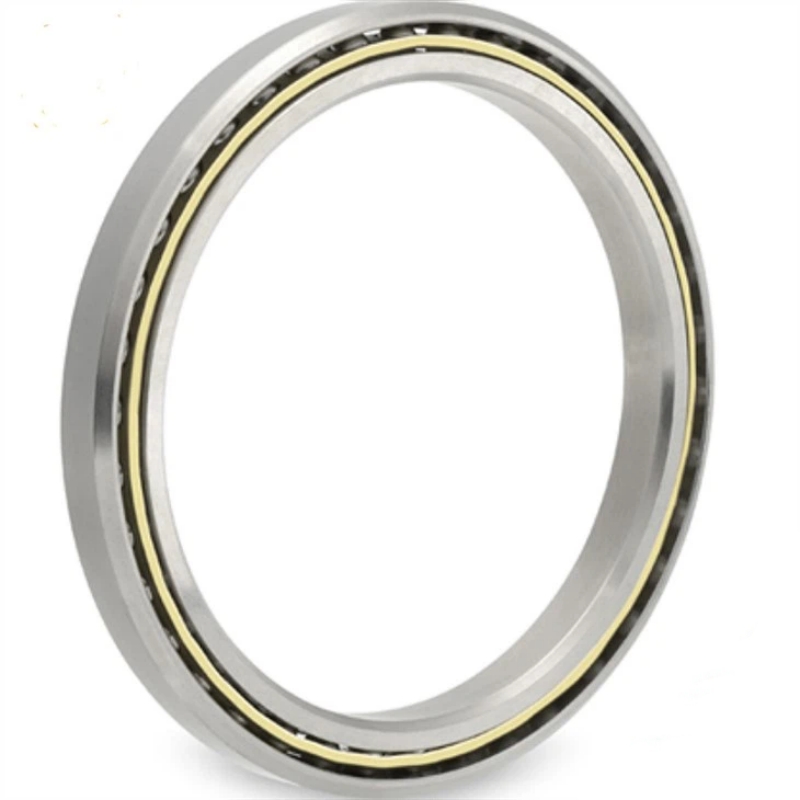
Medical-Grade Product Series:Offers miniature bearings,instrument bearings,anti-corrosion bearings,ceramic hybrid bearings,slim-split thin ring bearings,and custom bearings compliant with medical standards
High-Precision Manufacturing:Equipped with CNC grinding centers,precision heat treatment lines,and class-100 clean-room assembly facilities,producing bearings with ultra-low noise,micron-level precision,and excellent sterilization resistance
Material Compliance:Uses certified medical-grade stainless steel,silicon nitride ceramic,and high-performance cage materials to meet biocompatibility and regulatory requirements
Strong Customization Capability:A professional engineer team provides tailored designs for speed,load,noise,and sterilization needs,optimizing bearing performance for specific medical equipment
Quality Assurance:Full-process inspection adhering to ISO 9001 and medical device standards,ensuring consistent performance and reliability in critical applications.
Global Service:Supports worldwide fast delivery and provides on-site technical guidance,installation training,and after-sales support
For technical specifications,pricing,or custom medical bearing solutions:
Email:sales@newbeetrans.com
Website:www.newbeetrans.com
 WhatsApp
 sales@newbeetrans.com
 +8615090185276