
NewBee Machinery is a professional machinery parts manufacturer providing high quality precision bearings, high-quality non-standard transmission components, and intelligent CNC equipment and more.
NewBee Machinery is a professional machinery parts manufacturer providing high quality precision bearings, high-quality non-standard transmission components, and intelligent CNC equipment and more.
The ABEC scale,developed by the Annular Bearing Engineering Committee (ABEC) of the American Bearing Manufacturers Association (ABMA),rates precision ball bearings on a scale of 1,3,5,7,and 9.Higher ratings indicate tighter manufacturing tolerances,higher precision,and greater efficiency,but not necessarily higher speed capabilities.
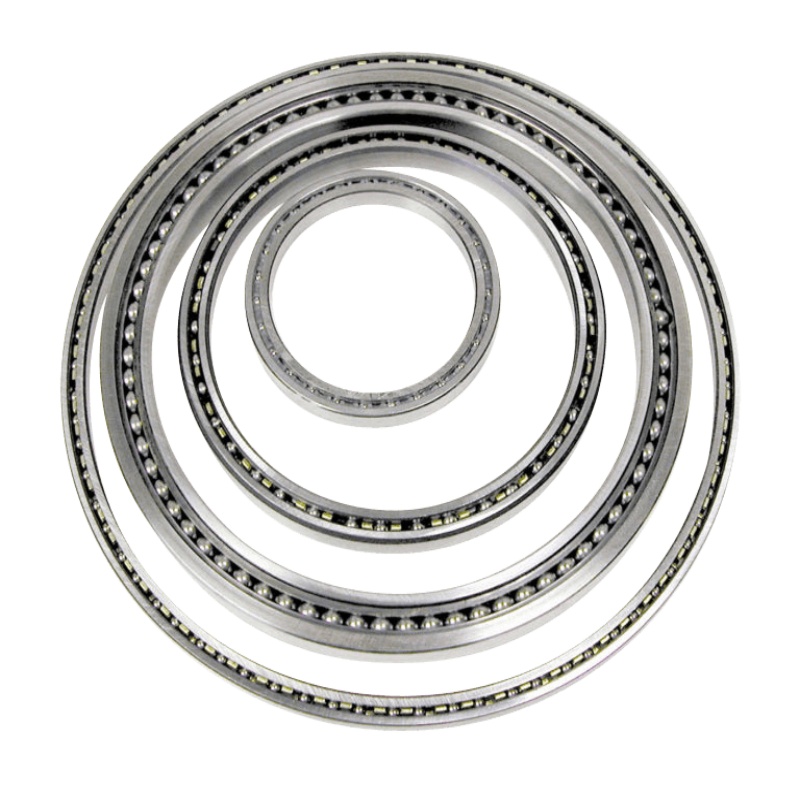
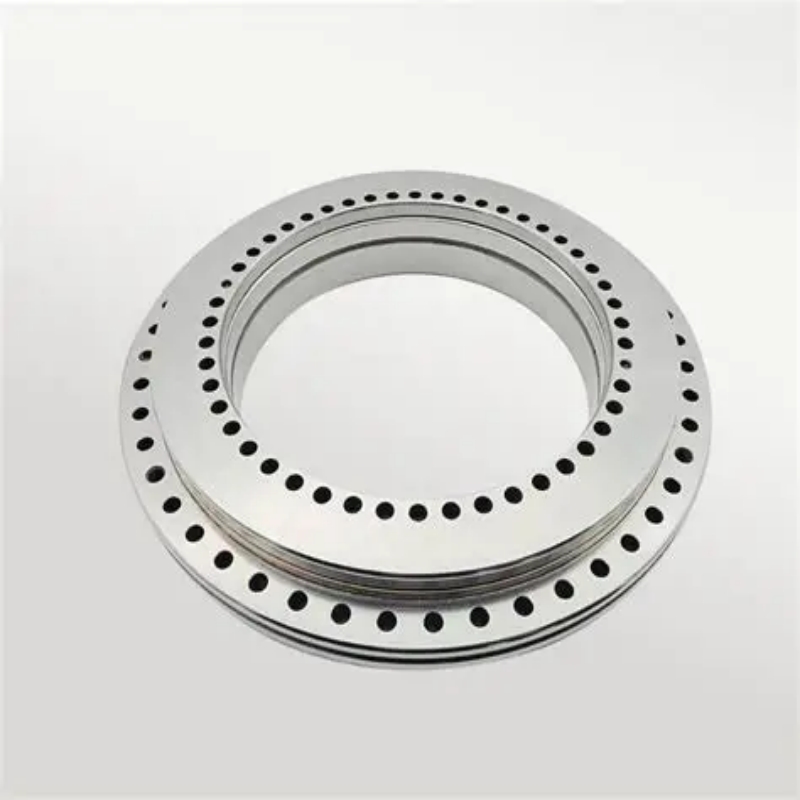
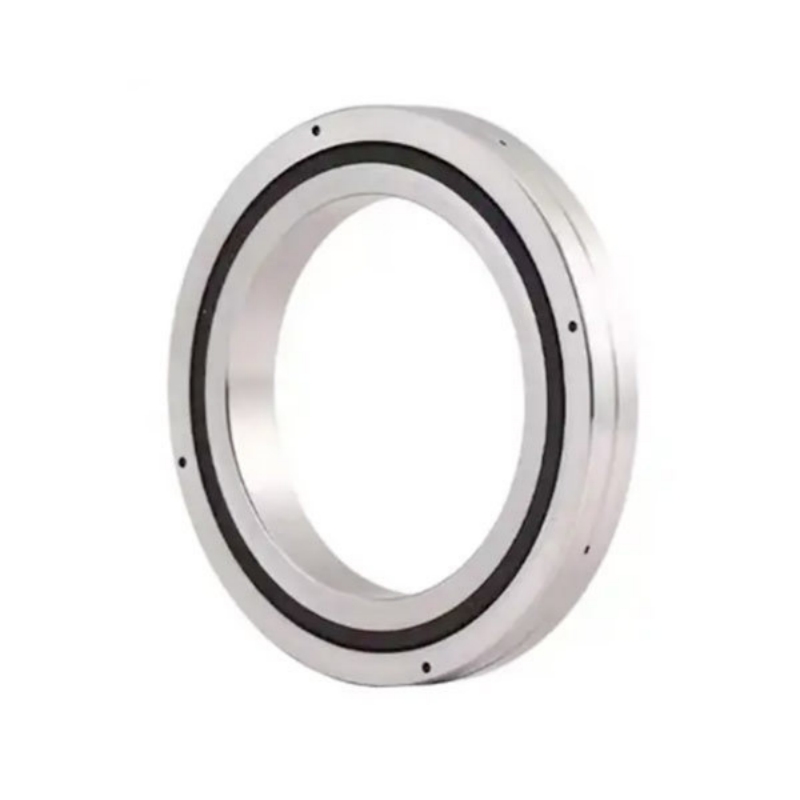
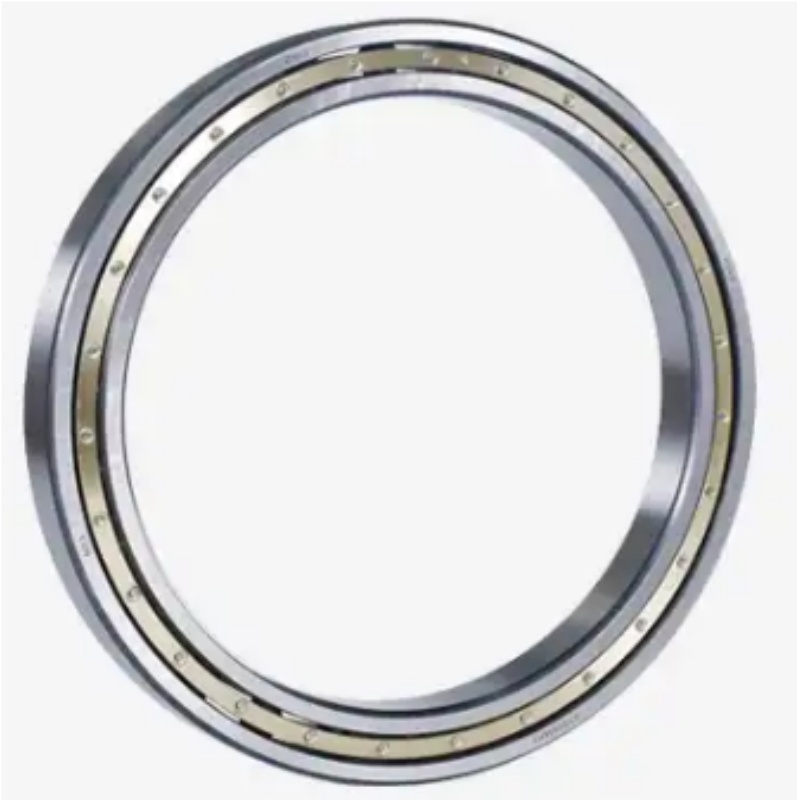
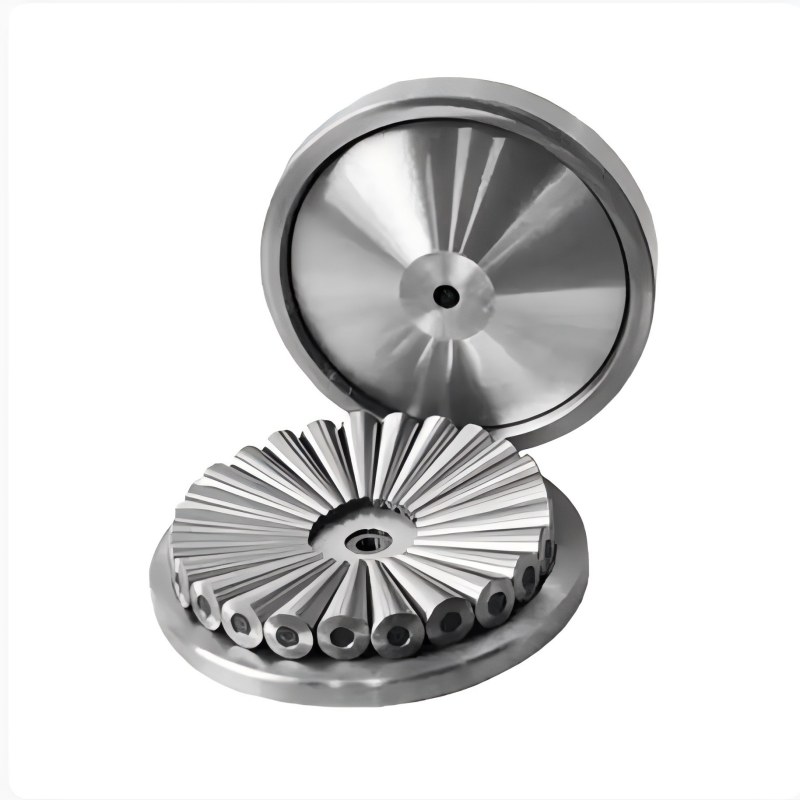
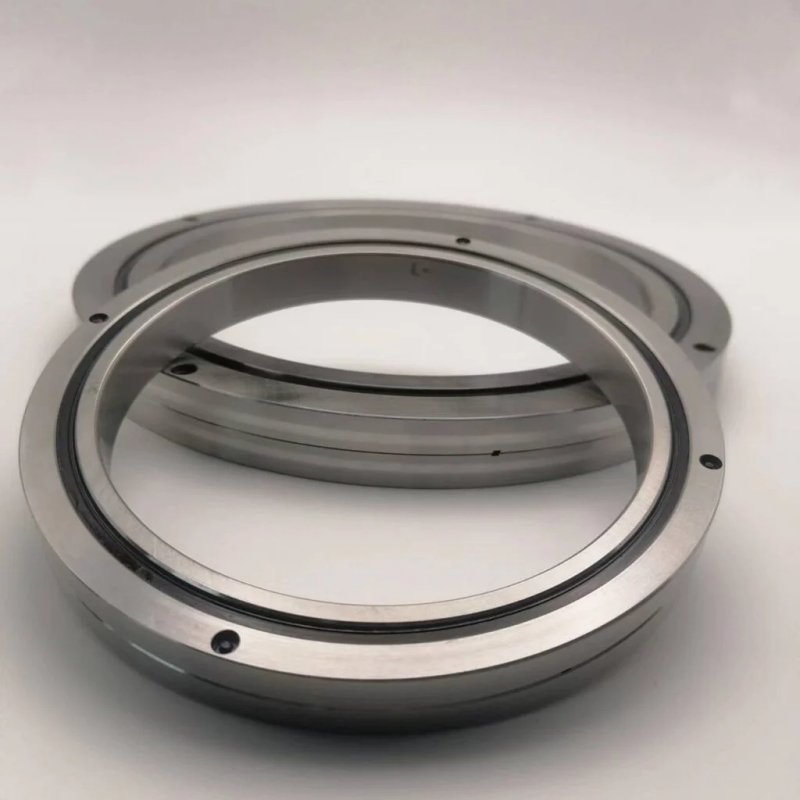
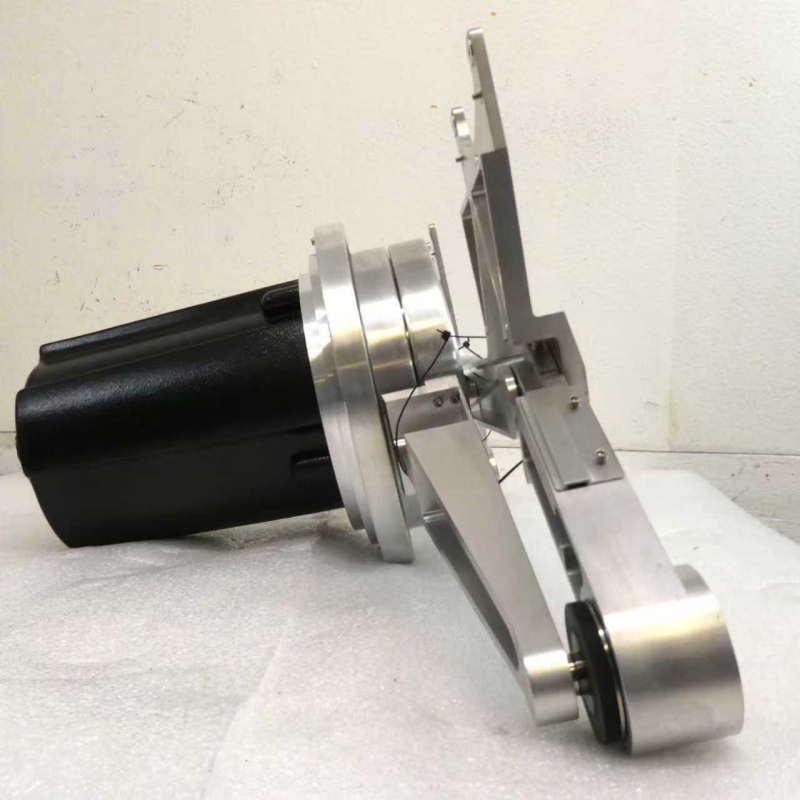
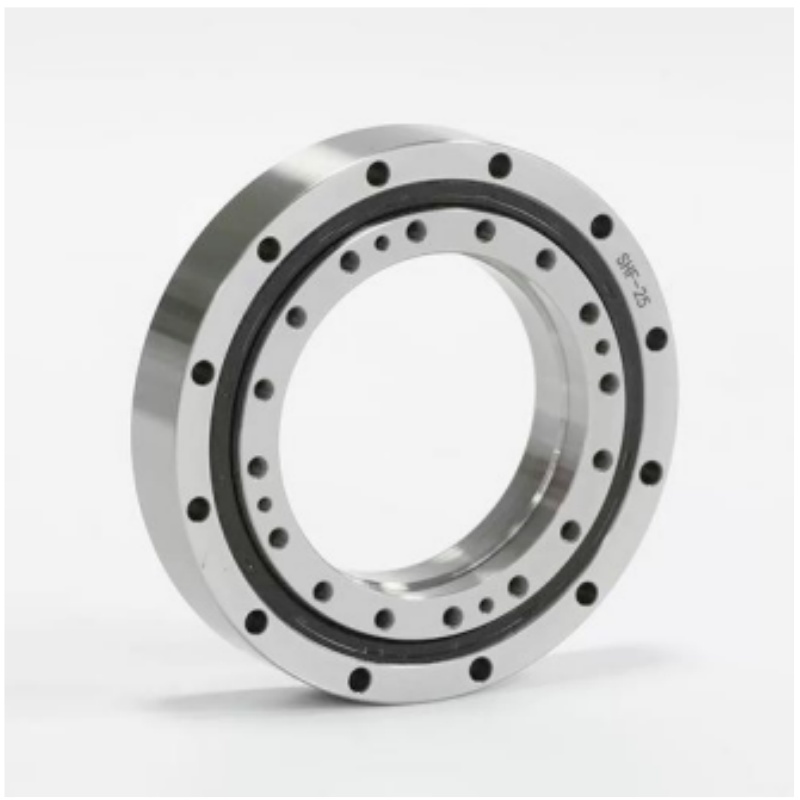
As a professional precision bearing manufacturer with 20 years of experience,NewBeetrans strictly follows the ABEC standard to produce high-precision bearings,and its YRT bearings,crossed roller bearings,and thin-section bearings are widely used in CNC machine tools,semiconductors,aerospace,satellite communications and other high-end fields.
The ABEC standard (Annular Bearing Engineering Committee) is a universal precision grading specification formulated for rolling bearings,which quantifies the manufacturing accuracy of bearings through clear tolerance indicators.The standard divides bearing precision into five grades:ABEC 1,ABEC 3,ABEC 5,ABEC 7,and ABEC 9,where the higher the number,the higher the precision.The ABEC standard strictly restricts key parameters such as bearing inner/outer diameter tolerance,radial runout,axial runout,and radial clearance consistency.It is compatible with ISO international precision standards and has become a core basis for global industrial bearing selection.NewBee's high-precision bearings mainly adopt ABEC 7 and ABEC 9 grades,corresponding to P4 and P2 ultra-precision levels,to meet the nanometer-level rotational accuracy requirements of high-end equipment.
The application and adaptation of the ABEC standard are affected by multiple factors,which are also the key considerations for NewBee in product design and manufacturing.
Material characteristics:High-quality GCr15 bearing steel used by NewBee provides stable material foundation for achieving high ABEC grades,avoiding precision deviation caused by material deformation.
Processing technology:High-precision CNC grinding and precision assembly processes are necessary conditions to meet ABEC 7/9 standards,ensuring the consistency of bearing size and runout.
Working conditions:High-speed,high-precision equipment (such as semiconductor wafer handling robots) requires high ABEC grades,while low-speed,ordinary machinery can adapt to low ABEC grades.
Radial clearance matching:The ABEC grade is matched with reasonable radial clearance to jointly ensure the stability of bearing operation.
Application scenarios:High-end fields such as aerospace and optical equipment require ABEC 7/9,while general industrial machinery is suitable for ABEC 3/5.
The matching of ABEC grades is critical to bearing performance and equipment operation.High ABEC grades (7/9) can ensure ultra-high rotational accuracy,reduce vibration and low-frequency noise,which is essential for NewBee's bearings used in CNC machine tools and optical theodolites.Appropriate ABEC grade can cooperate with reasonable radial clearance to accommodate thermal expansion,prevent overheating and seizure,reduce friction and wear,and extend service life.NewBee's steel plant energy-saving cases prove that bearings with accurate ABEC grading can effectively reduce equipment maintenance frequency.However,blindly using high ABEC grades will increase product costs,while low ABEC grades applied to precision equipment will lead to insufficient rigidity,reduced accuracy,and affect the performance of the whole machine.
The selection of ABEC grade follows the principle of adapting to working conditions,referring to international standards and actual application needs.First,clarify the precision requirements,speed,load and environment of the equipment.Second,select the corresponding ABEC grade:ordinary mechanical equipment chooses ABEC 1/3; precision industrial equipment chooses ABEC 5; high-end precision equipment such as semiconductors and aerospace chooses ABEC 7/9.Finally,combine with NewBee's bearing parameters (radial clearance,material,structure) for comprehensive verification.For special precision applications,NewBee's professional team uses professional testing equipment to verify,ensuring that the ABEC grade meets ISO and national standards.
Improper ABEC grade matching will lead to poor bearing performance and even equipment failure.Using low ABEC grade bearings in high-precision equipment will increase runout,reduce rotational accuracy,and cause product quality problems in semiconductor and optical industries.It will also accelerate raceway and rolling element wear,shorten bearing life,and even cause sudden breakdown of heavy machinery such as mining equipment.Selecting excessively high ABEC grades will increase procurement costs without obvious performance improvement.NewBee provides professional on-site technical support,including ABEC grade selection guidance and installation adjustment,to help customers avoid these risks.The ABEC standard is the core guarantee of bearing precision.NewBeetrans always takes the ABEC standard as the manufacturing benchmark,providing high-quality precision bearings for global customers to support the stable operation of high-end industrial equipment.
For technical specifications,pricing,or custom engineering solutions:
Email:paul@newbeetrans.com
Website:www.newbeetrans.com

 WhatsApp
 sales@newbeetrans.com
 +8615090185276